
Description
Cypress-leaved plait-moss (Hypnum cupressiforme) is a prominent species within the Hypnaceae family. While not a conventional agricultural crop, it is a highly valued organism in landscaping, micro-habitat restoration, and ecological design. Known for its resilience and striking appearance, it has become a staple for enthusiasts of moss gardening and urban greening projects.
The distribution of this species is nearly cosmopolitan, spanning diverse climatic zones from temperate forests to high-altitude regions. It thrives as an epiphyte or epilith, showing remarkable versatility in colonizing substrates ranging from decaying logs and tree bark to rock crevices and acidic forest floors. Its global presence underscores its ecological significance in maintaining micro-moisture in forest ecosystems.
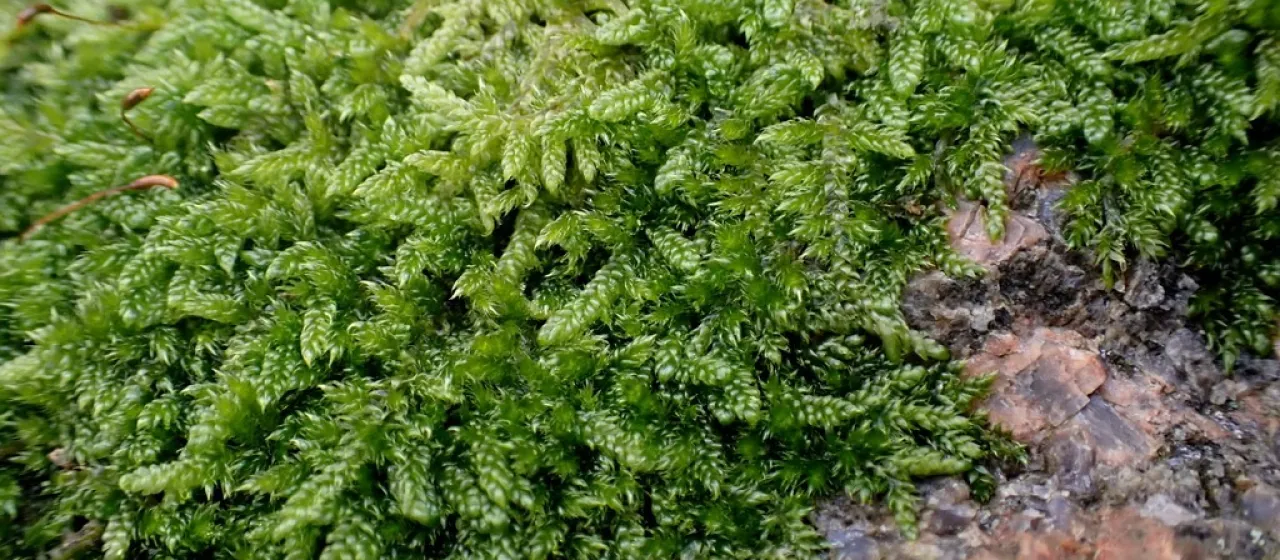
Morphologically, Hypnum cupressiforme forms compact, prostrate mats with a characteristic glossy, yellowish-green hue. The shoots are pinnately branched, and the leaves are distinctly sickle-shaped, which gives the plant its common name and cypress-like appearance. It propagates efficiently through fragmentation, a trait that allows it to recover quickly and expand its surface coverage under suitable conditions.
Cultivation requirements for this moss center on maintaining high humidity and filtered light. Unlike traditional crops, it does not require fertilizers or rich soils; instead, it relies on the substrate's pH levels and moisture retention. A balance between hydration and airflow is critical, as stagnant water can lead to the growth of competitive algae or harmful pathogenic fungi.
- Establishment of lush green carpets in shade gardens.
- Application in terrarium and vivarium design for moisture control.
- Bio-monitoring and air quality analysis in urban environments.
- Soil stabilization and surface erosion control.
Typical issues in management include susceptibility to fungal pathogens when conditions are too humid with insufficient ventilation. While few pests specifically target this moss, slugs and snails can occasionally graze on the mats, causing aesthetic damage. Successful cultivation is achieved by mimicking its natural shaded habitat and ensuring that the substrate pH remains slightly acidic to neutral for optimal vigor.