
Description
Kirilow's indigo (Indigofera kirilowii) is a deciduous, semi-woody shrub belonging to the Fabaceae family. Unlike tropical species of the genus, this specific plant exhibits remarkable winter hardiness, making it an excellent choice for temperate climate gardening. It is highly valued for its elegant, pinnate foliage and vibrant floral displays.
The native range of this species extends across East Asia, predominantly throughout China, Korea, and parts of the Russian Far East. It naturally thrives in rocky terrains and along forest margins, which contributes to its robust nature and resilience when introduced into garden environments.
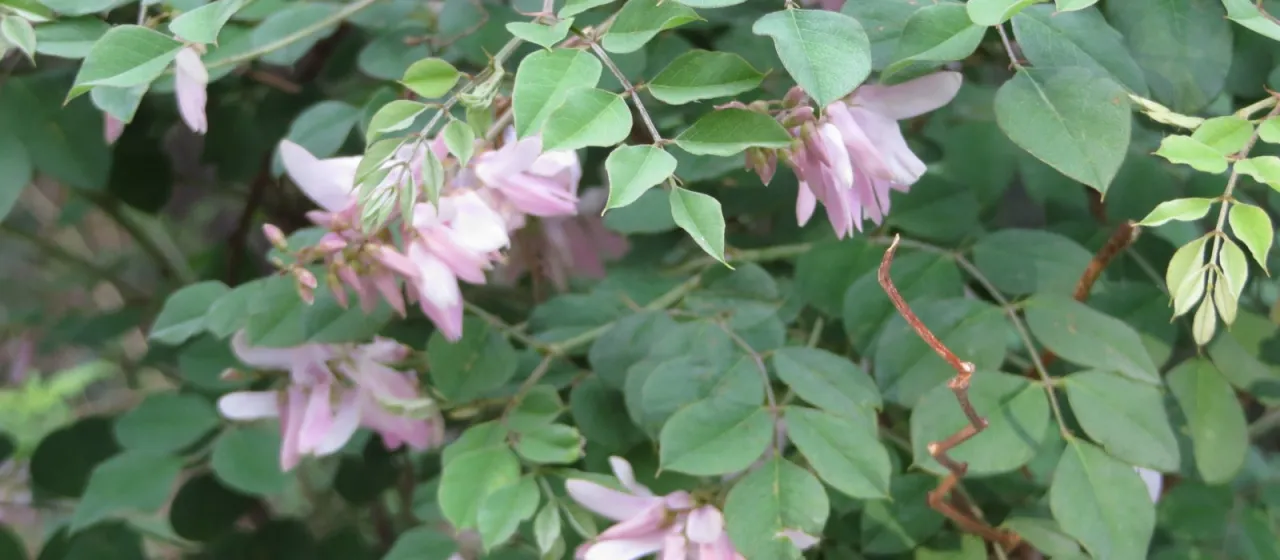
Botanically, it typically reaches a height of one meter, featuring arching stems and alternating compound leaves. The inflorescences are racemes composed of numerous rose-purple pea-like flowers. Its root system is characteristically deep and expansive, which provides stability and helps the plant tolerate dry spells once established.
To ensure optimal growth, Kirilow's indigo requires a position in full sun with fertile, well-draining soil. The plant performs poorly in compacted or waterlogged substrates, so soil preparation with organic matter and grit is advisable. Maintenance involves light pruning in early spring to remove winter-damaged wood and to encourage new, vigorous growth for the coming season.
In terms of agricultural and horticultural use, the shrub is primarily utilized for its aesthetic value in landscape design. It serves well as a specimen plant, in mixed shrub borders, or for slope stabilization due to its soil-binding root habits. While generally resistant to major pests, the plant should be monitored for common garden insects such as aphids during periods of rapid leaf development.