
Description
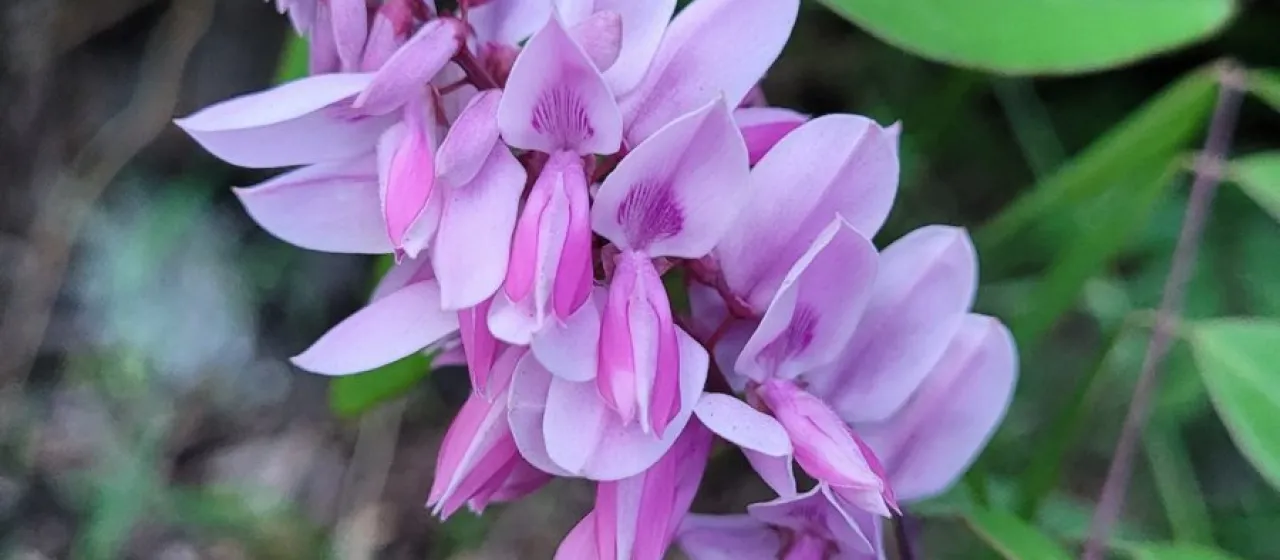
Indigofera decora, commonly known as the decorative indigo, belongs to the Fabaceae family. This perennial deciduous shrub is widely recognized for its elegant appearance, characterized by delicate foliage and long, showy racemes of pinkish-purple flowers that bloom during the summer months.
The plant originates from China and naturally inhabits mountain slopes and woodland margins. Due to its ornamental value, it has been introduced to various temperate regions worldwide. It is primarily utilized in horticulture as a specimen shrub, in borders, or as a graceful addition to rock gardens where its unique structure can be fully appreciated.
Botanically, the species features pinnate leaves composed of several pairs of leaflets. The growth habit is typically shrubby, reaching heights of approximately 0.5 to 1 meter. Its roots are capable of nitrogen fixation, which is a significant trait for leguminous plants, contributing to soil health and fertility in the areas where it is cultivated.
Cultivation requires a location that receives full sun or partial shade. The plant thrives in well-drained, fertile soil. It is crucial to ensure that the site does not hold excess moisture, as Indigofera decora is susceptible to root rot if the soil remains waterlogged for extended periods. Once established, the shrub shows a moderate level of drought tolerance.
Management practices involve pruning back the stems in late winter or early spring to encourage bushy growth and maximize flower production in the following season. While generally robust, the plant can occasionally be affected by aphids or spider mites. Regular monitoring and, if necessary, the application of insecticidal soap or neem oil are effective in managing these common horticultural pests.