
Description
Hairy indigo (Indigofera hirsuta L.) is a leguminous plant belonging to the Fabaceae family, widely recognized in tropical and subtropical agriculture. This plant is prized for its nitrogen-fixing capabilities and its adaptability to a wide range of soil conditions, making it a valuable tool for sustainable land management.
Originating from the tropical regions of Africa, Hairy indigo has successfully naturalized across various tropical zones in Asia and Australia. It is frequently employed in farming systems that prioritize soil health, acting as an essential contributor to the fertility cycles of tropical agricultural environments.
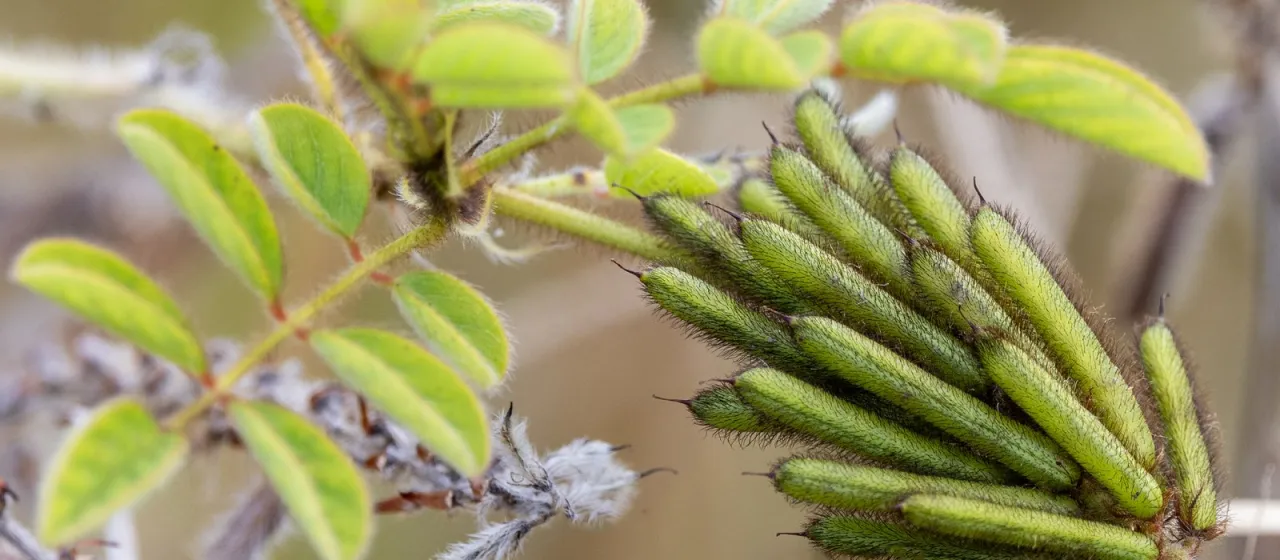
Botanically, the plant is distinguished by its hirsute (hairy) stems and leaves, which serve as an adaptation to minimize water loss in high-temperature environments. It typically grows as an annual or short-lived perennial, featuring pinnate leaves and terminal racemes of pink or reddish-purple flowers that eventually develop into small, hairy pods.
Agricultural requirements for Hairy indigo involve well-drained soil types. While it possesses significant drought tolerance once established, it responds well to adequate moisture, which promotes high biomass production. Planting is typically done in warm, moist soils, and the plant requires minimal maintenance once the crop stand is established.
The plant is highly versatile in agricultural practice, serving several key functions:
- Use as a green manure crop to improve soil structure and nitrogen content.
- Serving as a viable forage source for livestock, offering high-quality protein during the growing season.
- Effective use in erosion control, particularly on degraded or sloped agricultural lands.
- Application as a cover crop within plantations to suppress weeds and manage soil moisture.
Regarding pest and disease management, Hairy indigo can be susceptible to nematode infestations if grown repeatedly on the same plot. Furthermore, fungal diseases may occur under conditions of excessive humidity. Practicing proper crop rotation and selecting healthy seeds are primary strategies for maintaining the health and productivity of the crop.