
Description
True indigo (Indigofera tinctoria L.) is a perennial shrub belonging to the family Fabaceae. Renowned historically as the primary botanical source of the indigo dye, this plant has played a vital role in global textile production for millennia, providing a rich, vibrant blue pigment derived from its fermented leaves.
The plant originates from tropical regions of Asia and Africa. It thrives in hot, humid climates and is highly sensitive to cold, which limits its commercial cultivation to tropical and subtropical zones. It performs best in regions with consistent temperatures and well-distributed rainfall throughout the growing season.
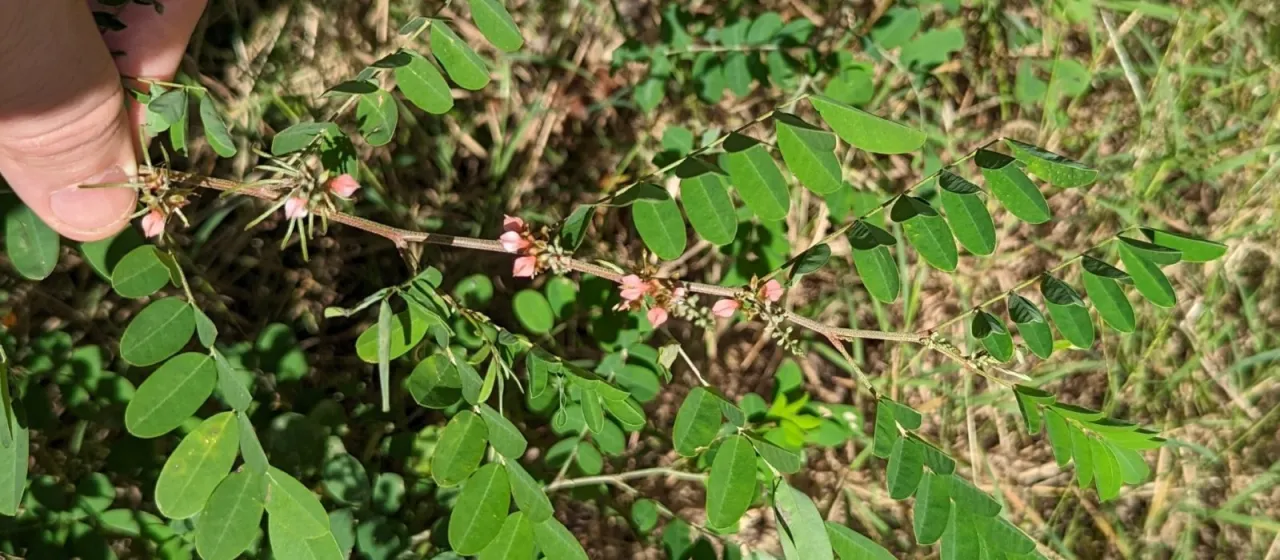
Botanically, True indigo is a bushy shrub reaching heights of up to 1.5 meters. It features pinnate leaves consisting of small oval leaflets and produces spikes of pink or reddish pea-like flowers. Its fruits are slender, straight or curved pods containing numerous seeds, characteristic of the legume family.
Cultivation requires fertile, well-drained loamy soils. The plant is prized for its ability to fix atmospheric nitrogen, improving soil fertility. Agronomic management involves preparing a fine seedbed, ensuring adequate sunlight exposure, and implementing weed control during the early growth stages, as the plant is relatively slow to establish.
Commercial use is largely centered on the extraction of indigo dye. However, the plant is also valued in organic farming as a green manure and in some regions for medicinal purposes. Common challenges in cultivation include infestations by leaf-eating insects and potential root rot infections if the soil remains waterlogged for extended periods.