
Description
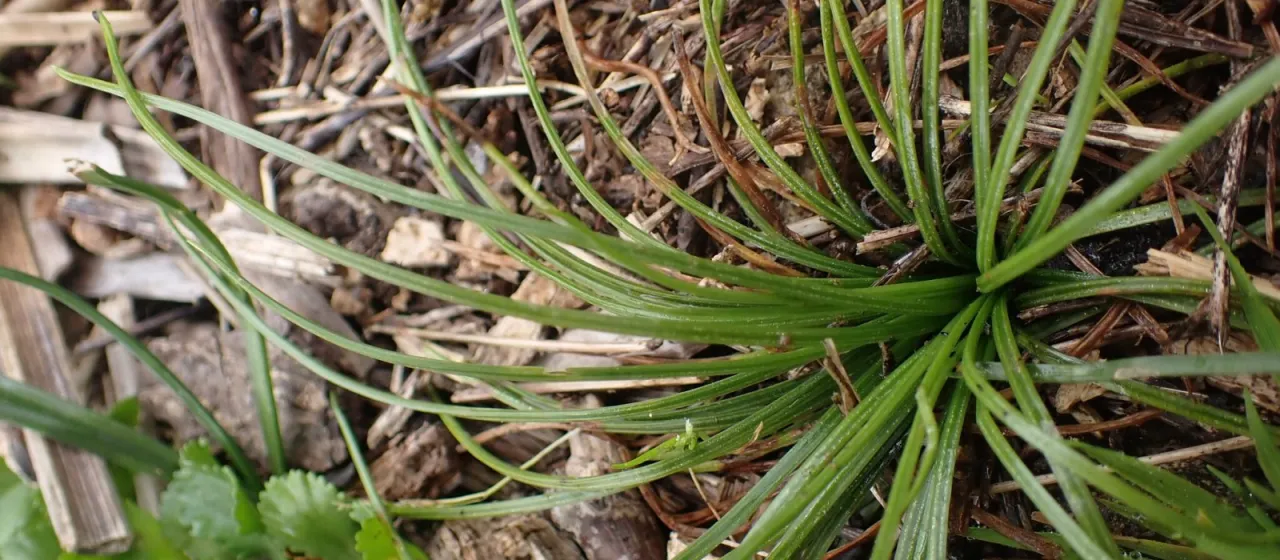
Isoetes durieui, commonly known as a type of quillwort, is a fascinating member of the Isoetaceae family. It is a perennial spore-bearing plant that exhibits a unique growth habit, often appearing as a small tuft of quill-like, fleshy leaves. As a member of the ancient lycophyte group, it provides significant insight into plant evolution.
The native range of this species is primarily focused on the Mediterranean region. It is typically found in ephemeral wetlands, seasonal pools, and damp areas on rocky substrates. The plant is perfectly adapted to survive in environments that undergo drastic seasonal changes, remaining dormant during dry periods and thriving when moisture levels are sufficient.
Botanically, the plant features a short, corm-like stem and a cluster of leaves that house spores at their bases. The root system is relatively shallow, requiring specific substrate textures to maintain stability. The life cycle is dictated by moisture availability, which triggers both vegetative growth and the production of microspores and megaspores.
Regarding cultural requirements, the plant demands high precision in habitat maintenance. In a controlled or naturalized setting, the soil must be poor in nutrients but capable of water retention. Environmental conditions should mimic Mediterranean climates, with cool, wet winters and dry, warm summers. Failure to replicate this cycle often results in poor development or death of the specimen.
The plant is not used in traditional agriculture but is of great interest to botanical research and conservation science. It is highly susceptible to habitat degradation, particularly the destruction of seasonal pools. While specific pests and diseases are not widely documented for this rare species, environmental stressors like pollution and climate change remain the primary threats to its survival in the wild.