
Description
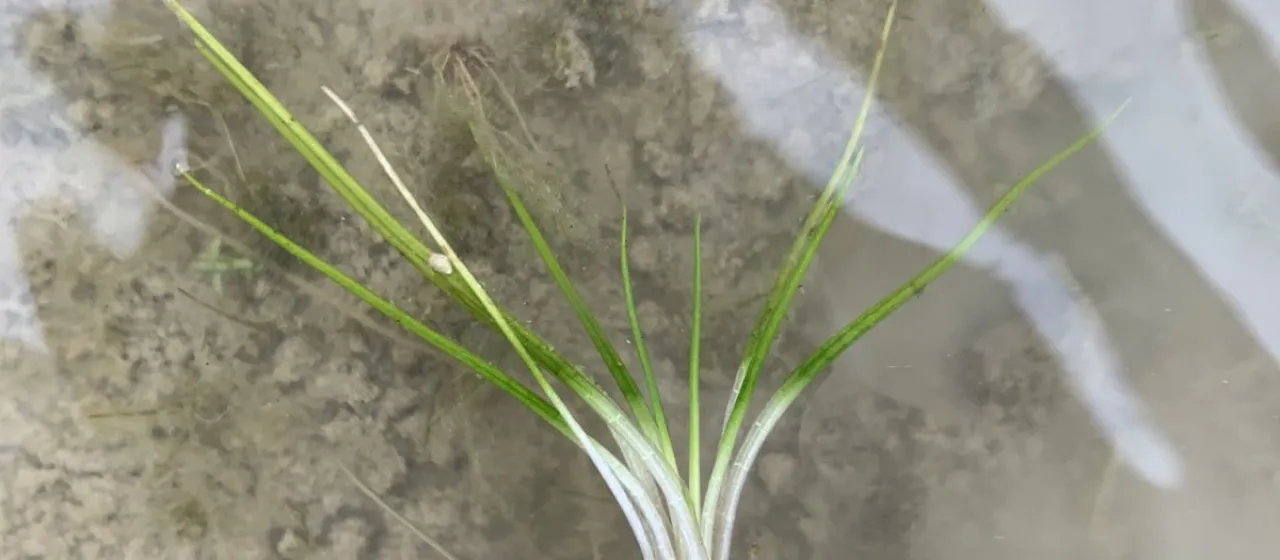
Spiny-spore quillwort (Isoetes echinospora) is a perennial, aquatic spore-bearing plant belonging to the Isoetaceae family. Often described as a primitive pteridophyte, this species displays a grass-like appearance with stiff, slender leaves forming a dense basal rosette that remains submerged in freshwater habitats throughout its life cycle.
The distribution of this species is circumpolar, found throughout the temperate and subarctic regions of North America, Europe, and Asia. It is primarily established in oligotrophic lakes and ponds with sandy or stony bottoms. Because it relies on clean water, it is frequently used by ecologists as a biological marker for high water quality and environmental stability.
Botanically, the plant is characterized by a short, corm-like stem and numerous roots. Its quill-like leaves house sporangia at their base, where microspores and megaspores are produced. The species is specifically identified by the presence of prominent, spine-like projections on the surface of its megaspores, which distinguishes it from other related quillwort species under microscopic observation.
Regarding its requirements, the quillwort is not a commercial crop and has extremely specific cultivation needs. It requires low nutrient levels (oligotrophic conditions), cool water temperatures, and specific light penetration levels. Successful management in artificial settings requires intensive care, typically performed in controlled laboratory or botanical garden environments rather than open-field agricultural systems.
The economic and agricultural utility of this species is negligible, as its primary value lies in its ecological niche and conservation status. It is protected by law in many jurisdictions due to its rarity and sensitivity to anthropogenic pollution. Common risks include:
- Eutrophication of lakes and streams
- Agricultural runoff affecting water purity
- Habitat destruction and drainage
- Climate-driven changes in water levels