
Description
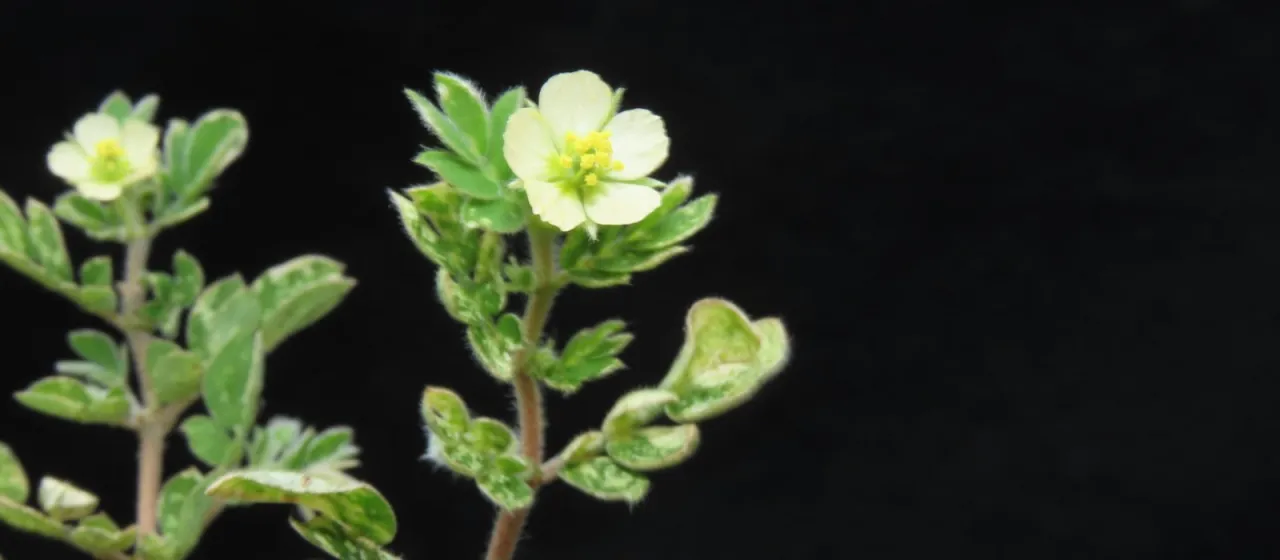
Kallstroemia pubescens is an annual herbaceous plant belonging to the Zygophyllaceae family. In the agricultural sector, it is recognized primarily as a weed that can severely impact crop yields by competing for resources such as nutrients, sunlight, and water. Due to its vigorous growth and reproductive capabilities, it is considered a significant management challenge in many agricultural systems.
The species originated in tropical and subtropical regions of the Americas. Over time, it has expanded its range significantly, adapting to diverse environmental conditions across various continents. It is now frequently found in agricultural landscapes, particularly in fields with well-drained, warm soils where it competes with both food and fiber crops.
Botanically, the plant is characterized by prostrate or ascending stems that are typically pubescent (hairy), which is the source of its scientific epithet. The leaves are opposite and pinnately compound. It produces distinctive yellow, five-petaled flowers that open during the day. The fruit is a schizocarp that breaks into several segments, each containing seeds capable of remaining dormant in the soil for extended periods.
From an agrotechnical perspective, Kallstroemia pubescens thrives in conditions characterized by high solar radiation and warm temperatures. It prefers light-textured, well-drained soils. Management strategies include the use of pre-emergent and post-emergent herbicides, as well as mechanical control measures such as hoeing or shallow tillage to disrupt the root systems before the plants can produce seeds.
The economic impact of this plant is largely negative, as it is known to serve as a host for various agricultural pests and viral diseases. By harboring vectors such as thrips or mites, the plant can facilitate the spread of infections to surrounding crops. Effective weed management requires an integrated approach to reduce the seed bank in the soil and prevent the establishment of dense infestations.