
Description
Klasea erucifolia is a perennial herbaceous plant belonging to the Asteraceae family. In agricultural and botanical studies, it is often recognized for its ecological resilience and potential as a specialized crop in arid and semi-arid regions. Its unique biological profile makes it a subject of interest for both pharmaceutical research and soil stabilization projects.
The plant originates from the steppe and forest-steppe zones of Eurasia. It is naturally distributed across regions with continental climates, thriving in areas where sunlight is abundant and soil conditions are well-drained. Its ability to colonize diverse landscapes makes it a robust candidate for sustainable agricultural practices in marginal lands.
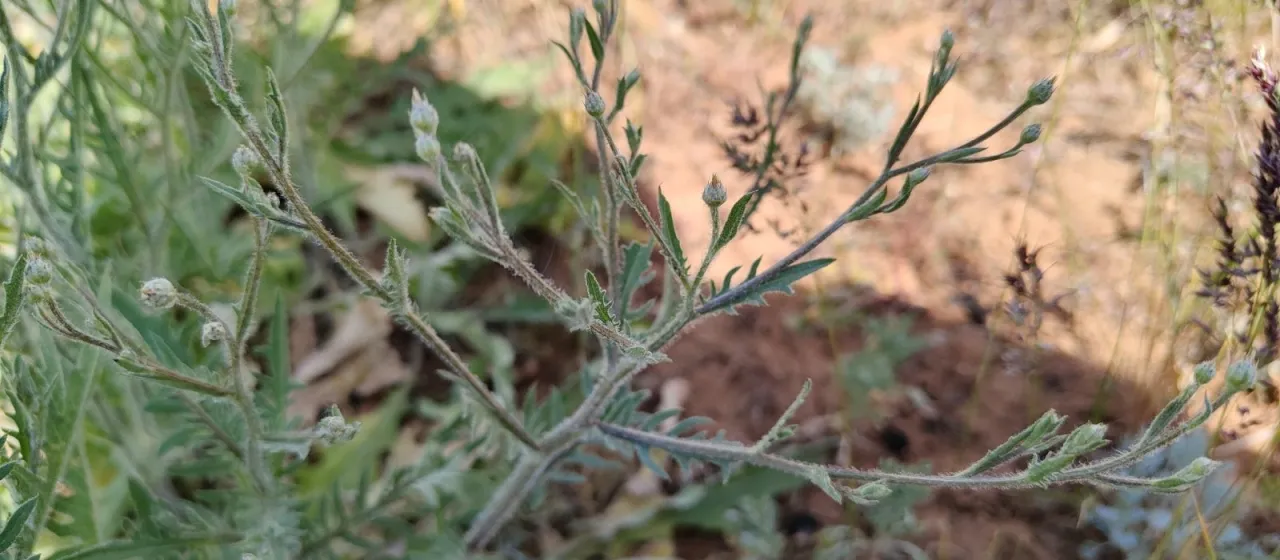
Botanically, Klasea erucifolia is characterized by its erect stems and finely dissected foliage, which contributes to its drought resistance. The inflorescences are distinct flower heads that retain their structure well, often referred to as strawflowers due to their appearance. The root system is deep and well-established, allowing the plant to remain productive for several years under stable conditions.
Agricultural requirements for this species include deep, well-drained soil with a neutral to alkaline pH. When cultivating, it is essential to ensure adequate spacing to prevent competition for nutrients. Irrigation management is critical, as the plant prefers dry conditions and can suffer from root rot or fungal diseases if subjected to prolonged waterlogging.
Economic and agricultural applications include:
- Medicinal herb production: utilizing the active compounds for extracts.
- Apiculture: acting as a late-season nectar source for pollinators.
- Soil conservation: planting for erosion control in vulnerable steppe areas.
The main challenges in cultivating this crop involve managing specific pests such as aphids and flower-feeding beetles that can affect seed production. Additionally, powdery mildew is a common concern during humid seasons, necessitating preventive management and maintaining optimal plant density to ensure sufficient airflow throughout the crop canopy.