
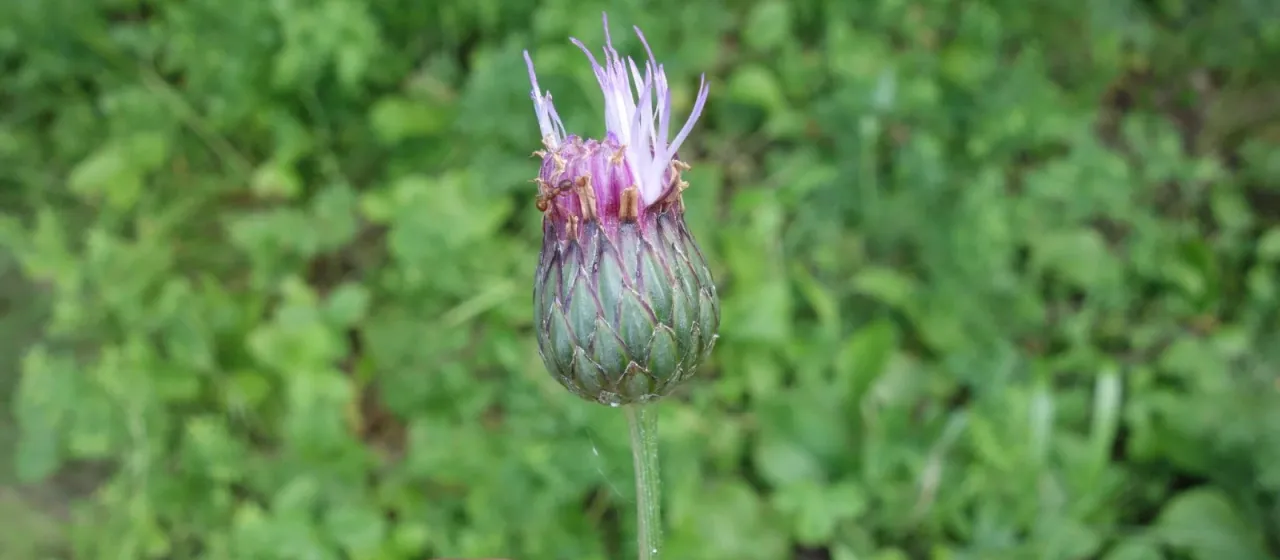
Description
Klasea lycopifolia, known as Klasea lycopifolia (formerly Serratula lycopifolia), is a perennial herbaceous plant from the Asteraceae family. In agricultural and horticultural contexts, it is highly valued for its role in supporting pollinator populations and its resilience in various soil types.
Originating from the steppe and forest-steppe zones of Eurasia, this species is naturally adapted to continental climates. It is recognized for its ability to thrive in regions with cold winters and hot summers, making it a reliable perennial plant for restoration projects and specialized agricultural cultivation.
The botanical structure is characterized by a strong root system and deeply pinnatifid leaves. The plant typically reaches a height of 50–90 cm, producing striking purple capitula (flower heads) that are rich in nectar. These flowers appear in mid-to-late summer, filling a critical gap in the forage calendar for honey bees.
Regarding cultivation requirements, the plant prefers well-drained, fertile soil with a neutral to slightly alkaline pH. It is highly drought-tolerant once established. Proper agronomic management involves clearing land of aggressive weeds prior to sowing and maintaining optimal spacing to ensure healthy air circulation around the plants.
Primary хозяйственное use cases include:
- Enhancing nectar production for commercial and hobbyist apiaries.
- Restoration of meadows and grazing lands to increase biodiversity.
- Use in botanical research regarding the Asteraceae family's adaptability.
Like many perennials, it can be susceptible to common diseases such as powdery mildew or rust, especially in humid conditions with poor drainage. Insect pests, including certain species of beetles, may feed on the foliage. Integrated pest management (IPM) practices, such as crop rotation and encouraging natural predators, are recommended to maintain healthy stands.