
Description
Kohautia caespitosa is a resilient herbaceous plant belonging to the Rubiaceae family. Known for its ability to thrive in challenging environments, this species serves as a significant example of botanical adaptation to arid and semi-arid conditions across its native distribution range.
The plant originates primarily from the dry regions of Africa and parts of the Arabian Peninsula. Its natural habitat includes open savannas, rocky outcrops, and sandy plains. Due to its evolutionary history, it has become highly specialized in surviving environments characterized by extreme heat, high solar radiation, and unpredictable precipitation patterns.
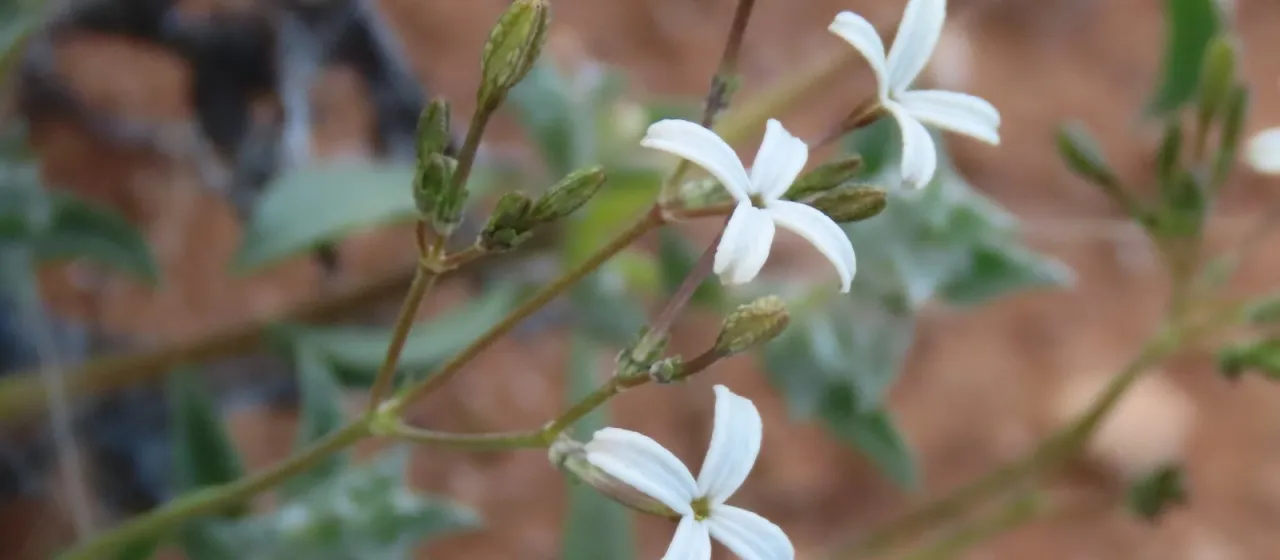
From a botanical standpoint, Kohautia caespitosa exhibits a distinct habitus with a densely branched structure at the base. The leaves are typically narrow and opposite, designed to minimize transpiration. The plant produces small, delicate, tubular flowers that are often pale yellow or greenish-white, forming clusters that bloom in response to moisture availability.
Regarding agrotechnical requirements, the species favors well-drained, porous soils. It is remarkably undemanding in terms of nutrient density, thriving in soils where many other crops would fail. The cultivation process should focus on ensuring full exposure to sunlight and avoiding any waterlogging, which is the primary constraint for the health of this species.
In terms of хозяйственное usage, it is currently valued in ecological restoration projects aimed at preventing soil erosion in arid landscapes. While it is not a large-scale commercial crop, its robust nature makes it a subject of interest for sustainable agriculture in desert regions. Disease management is relatively straightforward, as the plant is generally resistant, provided that the soil is kept in a dry and well-aerated condition.