
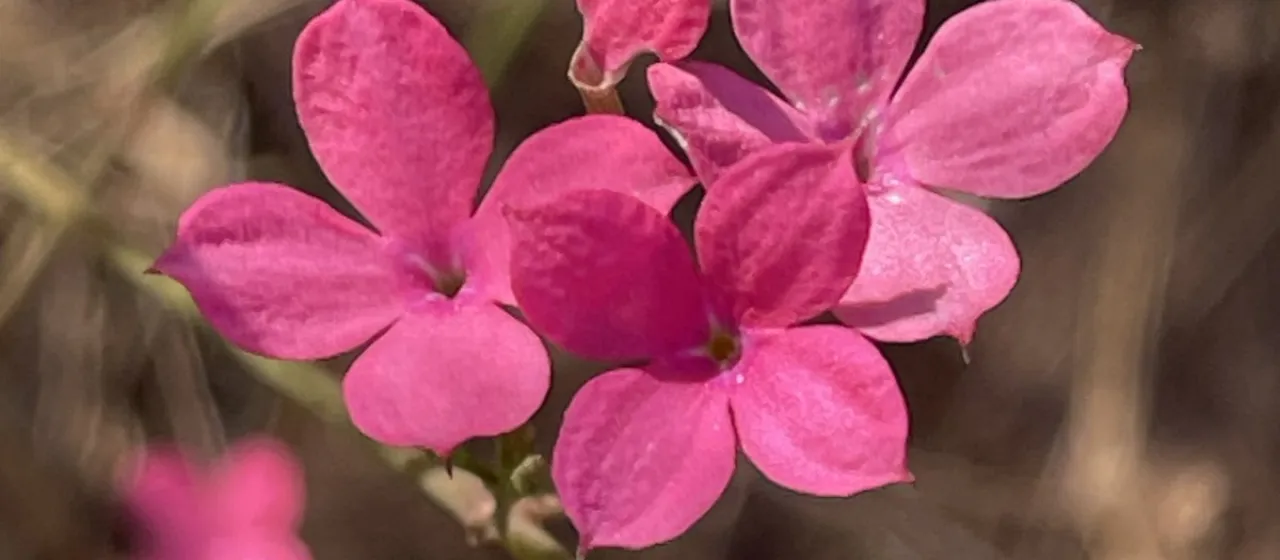
Description
Kohautia grandiflora is a herbaceous plant belonging to the Rubiaceae family. Known for its resilience in arid environments, this species is native to tropical and subtropical Africa. It occupies a unique ecological niche in savannahs and dry grasslands, demonstrating remarkable physiological adaptations that allow it to thrive under high solar radiation and low moisture availability.
The geographic distribution of the species is primarily concentrated in the Sahelian zone and neighboring regions of Africa. It typically inhabits well-drained, sandy, or rocky soils, avoiding areas subject to seasonal flooding. Understanding its natural habitat is crucial for successful cultivation, as the plant relies on specific light cycles and substrate compositions to complete its life cycle effectively.
Botanically, Kohautia grandiflora exhibits a branching growth habit with lanceolate leaves and terminal inflorescences featuring tubular flowers. The flower color is generally muted, often appearing in shades of pale yellow or greenish-cream. The plant's reproductive strategy is adapted to harsh conditions, producing numerous small seeds that remain dormant until favorable moisture levels are reached.
Cultivation requirements involve meticulous attention to irrigation management. To avoid root rot, growers must ensure excellent drainage, as the plant is highly sensitive to waterlogged conditions. It thrives in soils with low organic matter content and requires full sun exposure for optimal growth. Pest management is typically straightforward, provided the environment is kept sufficiently dry to prevent fungal growth.
Economically, the plant is primarily recognized for its ethnobotanical value. Local communities utilize various parts of the plant for medicinal preparations targeting inflammation and fever. Due to its potential for bioactive compounds, there is ongoing interest in standardizing its cultivation for pharmaceutical applications, although large-scale agricultural production remains limited at the current stage.
- Excellent drought tolerance
- Sensitivity to overwatering
- High sunlight requirement
- Potential pharmaceutical applications