
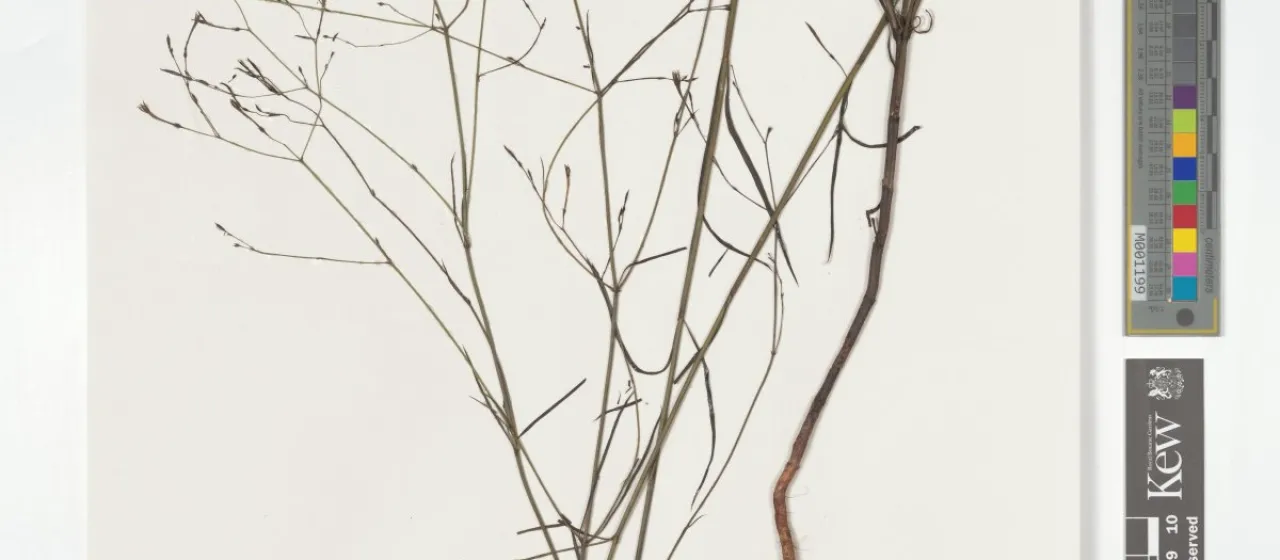
Description
Kohautia senegalensis is an annual herbaceous plant belonging to the Rubiaceae family. It is a resilient species well-adapted to the challenging ecological niches of the Sahelian and Sudanian zones in Africa. As a crop, it represents an important component of local botanical diversity, surviving in environments where traditional agricultural varieties often struggle to establish.
The plant originates from the tropical regions of Africa, with its range stretching across countries like Senegal, Mali, and Nigeria. It thrives in arid and semi-arid climates, favoring sandy or rocky soils that provide rapid drainage. Its distribution is heavily influenced by the seasonal rainfall patterns that define the agricultural calendar in West Africa.
Botanically, Kohautia senegalensis is characterized by its slender, erect stems and opposite, lanceolate leaves. It produces terminal inflorescences composed of small, delicate, tubular flowers that can range in color from white to pale lilac or pinkish-purple. The root system is relatively shallow yet highly efficient, allowing the plant to rapidly extract moisture from the upper soil horizons after rain.
Regarding agrotechnical requirements, the species demands high sunlight exposure and low to moderate soil moisture. It is particularly sensitive to soil compaction and waterlogging, which can be detrimental to its development. Successful management involves maintaining natural soil structure and ensuring a proper planting density to minimize competition for sparse subterranean resources during the short growing season.
The economic value of this plant is primarily rooted in ethnobotany and traditional medicinal applications, where various extracts are utilized for their bioactive properties. Additionally, it serves as a supplementary forage source in pastoral systems. Typical agricultural threats include fungal pathogens encouraged by excessive humidity and various insect pests that exploit the vegetation during the peak growing months.