
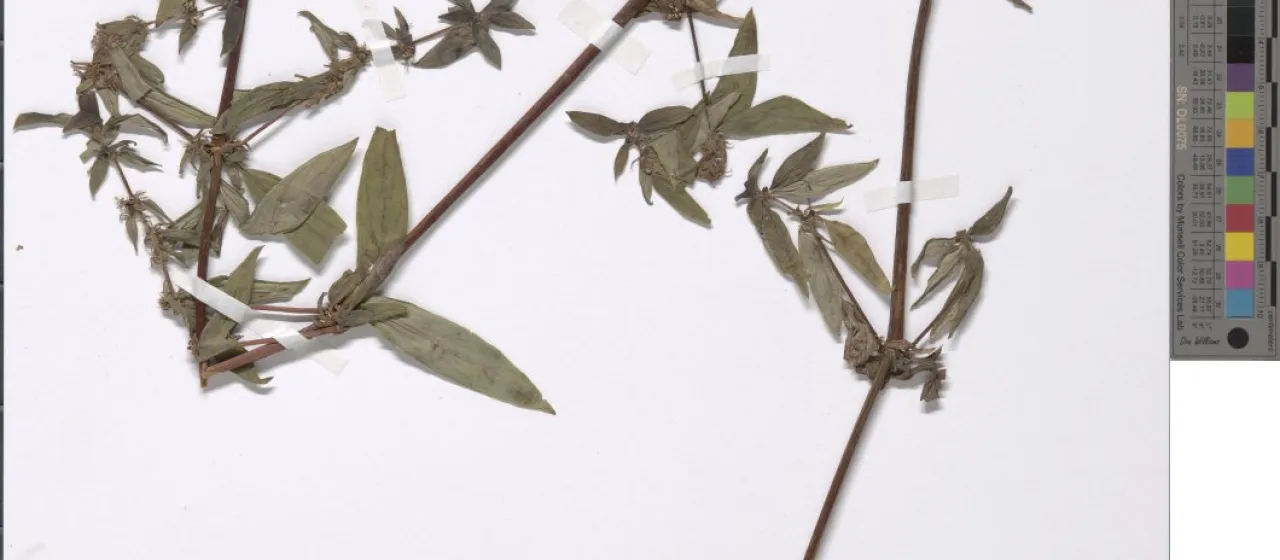
Description
Kohautia lasiocarpa is a herbaceous plant belonging to the Rubiaceae family. In agricultural science, this species is noted for its remarkable ability to thrive in arid and semi-arid environments. As a crop, it represents a specialized botanical resource adapted to challenging climates where moisture availability is the primary limiting factor for plant growth.
The origin of Kohautia lasiocarpa is rooted in the tropical regions of Africa. Its natural distribution is characterized by areas with high thermal amplitude and irregular rainfall patterns. Understanding its native range is essential for successful cultivation, as the plant relies on specific ecological cues for its germination, vegetative growth, and reproductive phases.
Botanically, the plant exhibits xeromorphic traits, including specialized leaf structures and deep, expansive root systems. The foliage is typically narrow, which helps in reducing water loss through transpiration. These morphological adaptations are crucial for the plant's survival during intense heat waves, making it an interesting subject for studies on drought tolerance in field crops.
Regarding cultivation, Kohautia lasiocarpa requires well-drained, sandy or loamy soils to prevent root asphyxiation. It is highly sensitive to waterlogging, necessitating careful site selection. Agricultural practices must include minimal tillage to maintain soil structure and precise irrigation scheduling, which mimics natural periodic moisture rather than constant saturation, ensuring the best growth outcomes.
The economic potential of this culture lies largely in its potential for pharmaceutical and phytochemical applications. Research into its chemical profile often reveals valuable compounds that can be used in industry. Management of pests and diseases involves integrated pest management (IPM) strategies, specifically focusing on soil-borne pathogens and insects that thrive in dry conditions during prolonged dry spells.
- Drought-tolerant morphology
- Requires excellent soil drainage
- Well-adapted to high-temperature regions
- Potential for pharmaceutical research
- Minimal tillage cultivation methods