Red dead-nettle
Lamium purpureum L.
Description
Red dead-nettle (Lamium purpureum L.) is an annual herbaceous plant belonging to the Lamiaceae family. In agricultural contexts, it is widely recognized as a winter annual weed that colonizes cropland, orchards, and nursery sites, often interfering with the early development of essential food crops.
Originating from Europe and temperate Asia, this plant has spread globally, successfully invading various habitats in North America and beyond. It thrives in fertile, disturbed soils, frequently appearing in gardens and fields shortly after the first frost, taking advantage of cool, moist growing conditions.
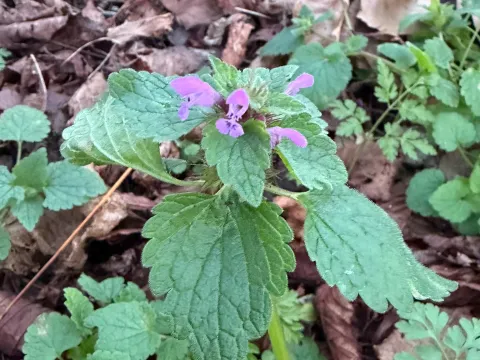
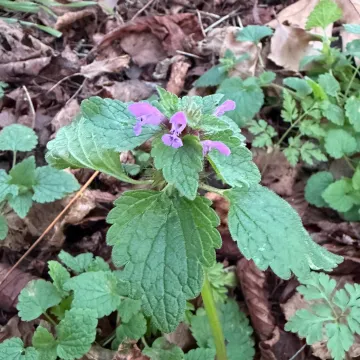
Botanically, the species is defined by its square stems and dark green leaves that transition to a distinct purplish-red hue at the top of the plant. It produces small, pink-purple flowers in the leaf axils, blooming from early spring through autumn, and is capable of self-pollination, ensuring high reproductive success.
Managing red dead-nettle requires an integrated approach. Because it emerges early in the season, it competes effectively for soil nitrogen and water. Cultural control methods include timely tillage, use of mulches in perennial crops, and the application of pre-emergent or post-emergent herbicides in grain production systems.
While often treated as a nuisance, the plant serves as a vital early-season resource for honeybees and other pollinators. However, farmers should be aware that it can act as a reservoir for viruses, nematodes, and aphids that damage horticultural crops. Regular monitoring and crop rotation remain the primary tools for preventing heavy infestations.
Photo gallery