Spotted dead-nettle
Lamium maculatum L.
Description
Spotted dead-nettle (Lamium maculatum L.) is a perennial herbaceous plant belonging to the Lamiaceae family. Within agricultural and horticultural contexts, it is highly valued for its role as a persistent ground cover and a nectar-rich forage plant for pollinators in various environmental conditions.
The plant originates from Europe and temperate Asia. It has successfully adapted to a wide range of forest habitats and is cultivated in many regions due to its versatility. Its natural distribution is characterized by preference for moist, sheltered areas, making it an excellent candidate for agricultural systems that integrate shade-loving medicinal or ornamental crops.
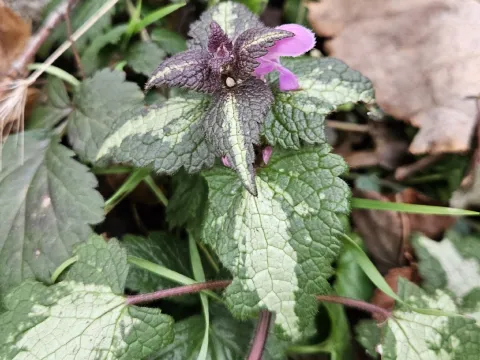
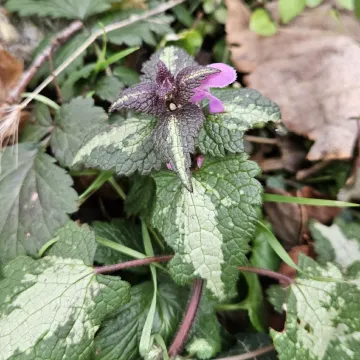
Botanically, this species features sprawling, square stems that easily root at the nodes, creating a dense vegetative mat. The leaves are characteristically heart-shaped with serrated margins and often display a silver-white central streak. The inflorescences consist of whorls of purple, pink, or white flowers, which are highly attractive to bees and beneficial insects.
In terms of soil and climate, the plant requires moist, well-drained, and nutrient-rich soil to thrive. It is exceptionally tolerant of shade, which is a rare trait among agricultural ground covers. Agronomic management involves site preparation, ensuring moderate moisture levels throughout the growing season, and occasional pruning to prevent overspreading into adjacent cultivation zones.
The primary economic uses of this crop include the production of herbal preparations for traditional medicine and its application as a living mulch to prevent soil erosion. Common pests include slugs and snails that can target young growth during wet spells, while powdery mildew is the most frequent disease encountered when air circulation is restricted.
- Propagation: division, cuttings, seeds
- Climate: temperate
- Soil requirements: rich, moisture-retentive
- Growth rate: fast
Photo gallery