Yellow archangel
Lamium galeobdolon (L.) Crantz
Description
Yellow archangel (Lamium galeobdolon) is a perennial herbaceous plant belonging to the Lamiaceae family. As an agricultural and ornamental crop, it is highly valued for its vigorous growth habit and ability to serve as an effective ground cover in shaded areas where traditional lawn grasses or flowering crops struggle to thrive.
The native range of this plant extends across Europe and Western Asia, where it is commonly found in deciduous woodland environments. Due to its evolutionary adaptation to the forest floor, it requires minimal direct sunlight and thrives in rich, moist soil conditions that mimic its natural habitat.
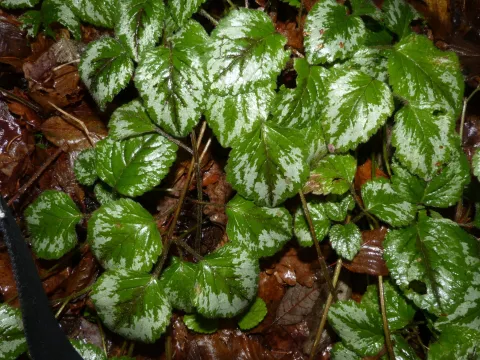
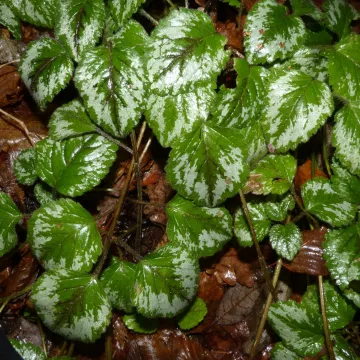
Botanically, the plant is distinguished by its trailing stems that root at the nodes, enabling it to colonize large surface areas rapidly. The foliage is typically ovate and serrated, sometimes featuring variegated silver patterns, while the flowers are small, bright yellow, and arranged in axillary whorls, providing a visual appeal during the spring and early summer months.
The cultivation requirements are straightforward: the plant prefers fertile, well-draining soil with consistent moisture. It is exceptionally winter-hardy and requires very little maintenance once established. Gardeners should manage its spread, as its aggressive nature allows it to displace other low-growing flora if not monitored through regular trimming or physical barriers.
- Excellent shade tolerance
- Rapid expansion and ground coverage
- High resistance to most common plant pests
- Low maintenance and high winter hardiness
Regarding health, yellow archangel is generally robust. It is not prone to major infestations, though poor ventilation or excessively damp environments can encourage fungal issues such as powdery mildew. Maintaining proper spacing and avoiding overhead irrigation during peak humidity are standard protective practices for this crop.
Photo gallery