
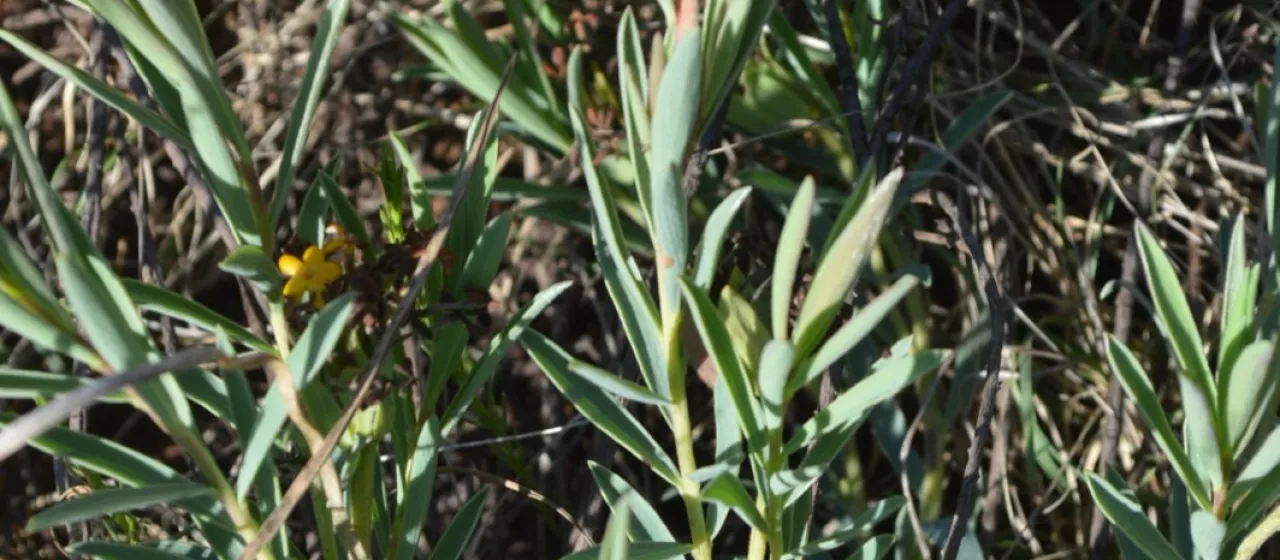
Description
Lasiosiphon capitatus is a perennial shrub belonging to the Thymelaeaceae family. Often recognized for its distinct floral structures, this plant species occupies a specific niche in African ecosystems, serving as an interesting subject for both botanical research and niche horticultural practices.
The plant originates from Southern and Tropical Africa, where it thrives in varied climates ranging from semi-arid grasslands to rocky outcrops. Its natural habitat is characterized by distinct wet and dry seasons, which have shaped the plant's resilience and physiological adaptations over evolutionary time.
Botanically, Lasiosiphon capitatus is defined by its erect stems and lanceolate leaves that often feature a dense covering of hairs, or indumentum, to reduce transpiration. The most striking feature is its inflorescence, composed of crowded, head-like clusters of flowers. These blooms are key to the plant's identification and contribute to its visual appeal in its native environment.
Regarding agrotechnical requirements, the species demands high levels of sunlight and well-drained soil to thrive. It is particularly sensitive to waterlogging, which can cause root rot, and therefore requires a substrate with excellent aeration. In a controlled environment, maintaining a balance between irrigation and the natural dry dormant phase is critical for the long-term health of the plant.
In terms of economic and practical use, the plant is primarily known in traditional medicine practices within its native range. Furthermore, as global interest in drought-tolerant plants grows, Lasiosiphon capitatus is being evaluated for its potential in xeriscaping and sustainable landscaping, provided that the necessary environmental conditions are met. Common pests include aphids and mites, which are typically managed through integrated pest control measures.
- Excellent drought tolerance
- High aesthetic value in inflorescences
- Requires superior drainage
- Promising potential for xeriscaping