
Description
Lasiosiphon daphnifolius is a perennial shrub belonging to the Thymelaeaceae family. It is recognized for its distinctive evergreen foliage and specific ecological adaptations, which make it a plant of interest for both botanical research and regional ethnobotanical applications within its native tropical range.
The species originates from tropical Africa, where it thrives in woodlands and rocky open habitats. Its cultivation range is limited to regions mimicking these specific climatic conditions, requiring high humidity and consistent temperatures without the risk of frost. The plant is well-adapted to surviving in areas where soil nutrient levels are naturally low, reflecting its evolutionary success in competitive habitats.
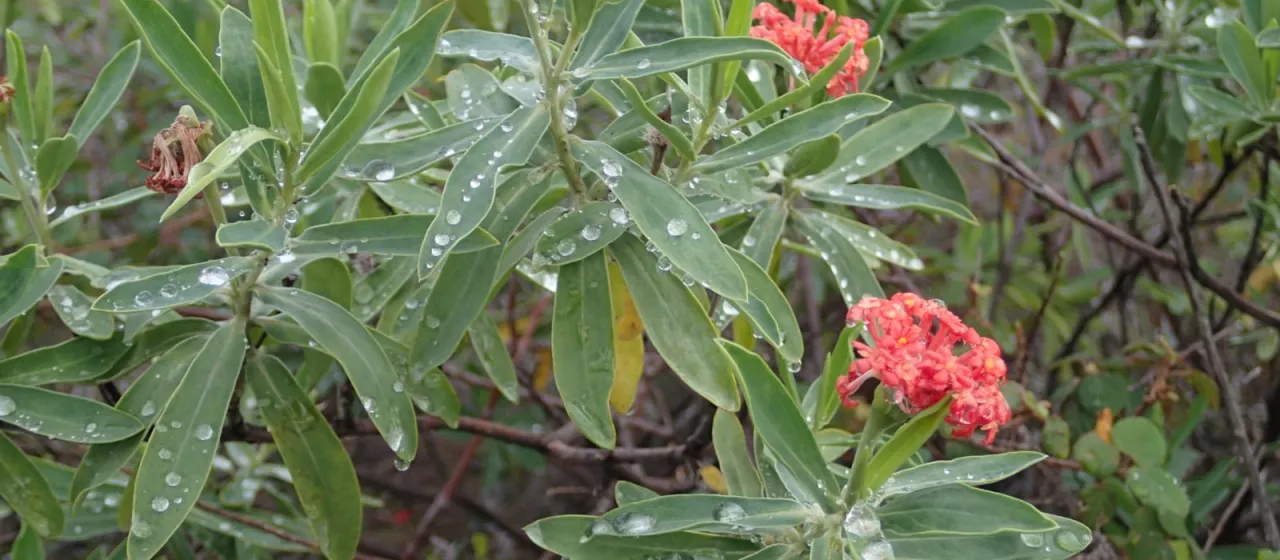
Botanically, Lasiosiphon daphnifolius features leathery, elliptical leaves that provide protection against moisture loss. Its flowers are typically arranged in dense, terminal heads, often appearing in soft, fuzzy bracts that give the genus its name. The stems are resilient and flexible, capable of withstanding local wind patterns while supporting the growth of its dense foliage.
Agricultural practices for this plant emphasize the importance of excellent soil drainage. It requires a slightly acidic to neutral soil pH. Irrigation must be managed carefully, as the root system is prone to fungal infections under waterlogged conditions. In managed settings, periodic pruning is essential to maintain plant vigor and encourage the development of new, healthy growth during the active season.
The plant is primarily utilized in traditional medicinal practices for its antimicrobial and anti-inflammatory properties. Recent studies are evaluating the potential of its bioactive secondary metabolites for pharmaceutical development. Additionally, the plant serves as a nectar source for various local pollinators, making it an ecologically valuable species in conservation and landscape restoration projects.
- Pest profile: Mealybugs and spider mites are common threats in glasshouse environments.
- Pathogen management: Strict control of soil aeration is the primary method for preventing root pathogens.