
Description
Leea asiatica is a perennial shrub or small tree belonging to the Vitaceae family. Often recognized for its lush foliage and distinct botanical structure, it is a significant species in tropical ecology. The plant is characterized by its woody stems and compound, deep-green leaves that contribute to its role in the ecosystem as a source of canopy shade and biological diversity.
The origin of this species is traced to the tropical regions of Asia, specifically extending across India, Southeast Asia, and parts of Southern China. It primarily inhabits humid forest understories and margins, demonstrating a high tolerance for varying light intensities. This natural distribution has shaped the plant’s biological rhythm, making it highly dependent on consistent rainfall patterns.
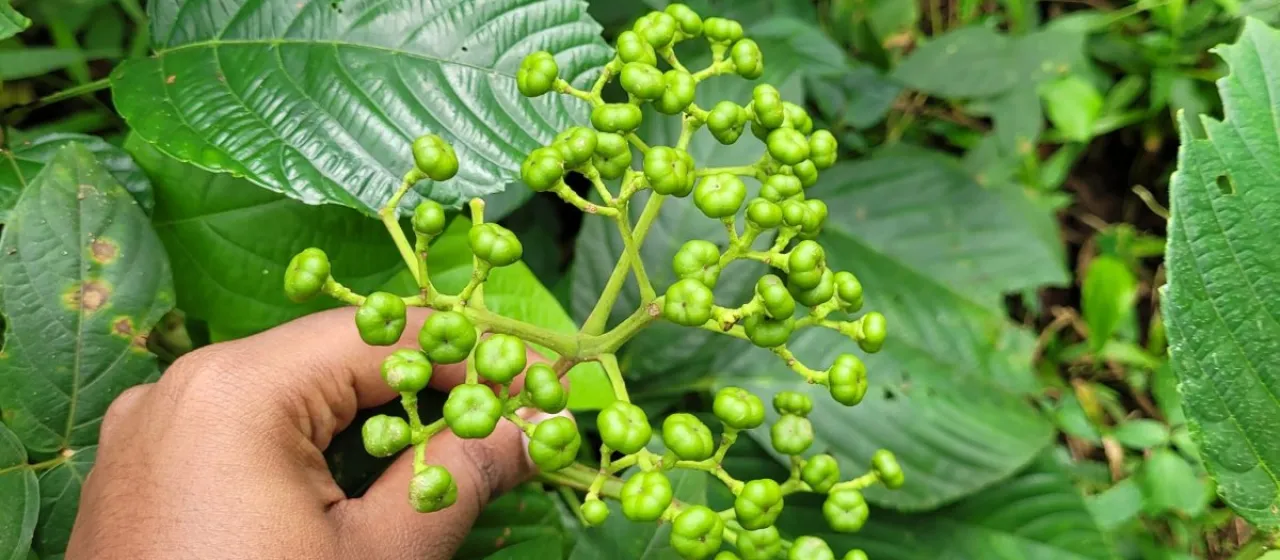
Botanically, Leea asiatica exhibits a rapid growth rate under favorable conditions. The inflorescences consist of small, clustered flowers that typically give rise to dark, fleshy berries. The plant possesses a robust root system, which helps in anchoring the shrub in various soil types, ranging from sandy loams to heavier clay-rich soils found in alluvial tropical areas.
Agricultural requirements include a warm, humid environment with protection from direct, scorching sunlight. Cultivation success depends on maintaining soil pH near neutral and ensuring constant soil moisture. Proper spacing is essential to encourage air circulation, which helps in preventing fungal diseases. Fertilizer application should be concentrated during the early monsoon or growing season to maximize leaf development.
The economic and practical utility of Leea asiatica includes applications in herbal medicine and decorative horticulture. Extracts from the plant are historically noted for their potential therapeutic benefits, though modern agricultural research continues to investigate these properties. Management of the crop requires vigilance against common tropical pests such as mealybugs and spider mites, which can thrive if humidity levels are not properly regulated.