
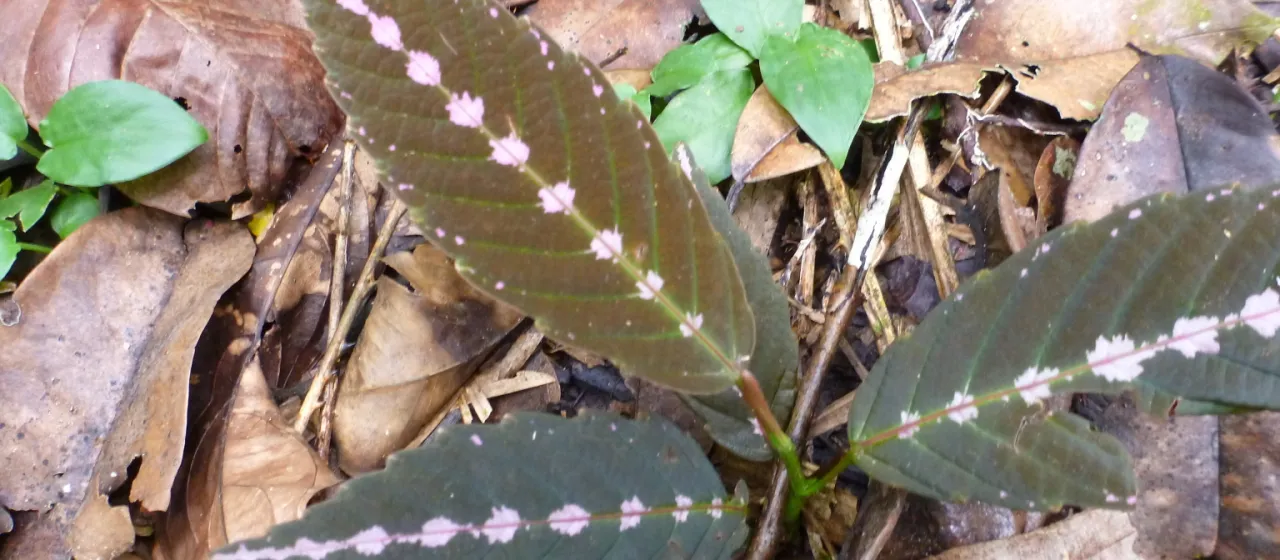
Description
Leea zippeliana is a distinctive species within the Vitaceae family, known for its lush, evergreen foliage and shrub-like growth habit. This plant is a significant subject in botanical studies, often valued for its unique morphological structure and ornamental appeal in specialized tropical gardens.
Originating from the tropical regions of Southeast Asia, Leea zippeliana thrives in humid, shaded forest understories. Its natural distribution is limited to ecosystems that provide consistent warmth and moisture, which dictates the specific environmental requirements needed when cultivating this species outside of its native range.
The plant is characterized by large, pinnate leaves with a glossy finish and intricate clusters of small, delicate flowers. Its growth pattern is vigorous under ideal conditions, with woody stems that provide structural support to the heavy foliage. These physical traits make it a visually striking specimen for display purposes.
Agronomic requirements center on simulating the natural tropical habitat. It necessitates well-draining, humus-rich soil and high air humidity. Temperature fluctuations should be minimized, as the species is sensitive to thermal stress. Regular irrigation is required, though soil saturation must be prevented to avoid root decay.
In terms of economic and practical utility, Leea zippeliana is primarily cultivated as an ornamental plant in botanical gardens and upscale indoor environments. Its potential use in traditional medicine is also a subject of occasional ethnobotanical research, reflecting the broader interest in the properties of the Vitaceae family.
- Optimal soil pH level maintenance.
- Use of systemic insecticides for pest management.
- Application of nitrogen-rich fertilizers during growth.
- Regular pruning to maintain desired size.
- Avoidance of extreme light intensity.