
Description
Hoary hawkbit (lat. Leontodon incanus) is a perennial herbaceous plant belonging to the Asteraceae family. In agronomy, it is valued for its hardiness and ability to thrive in challenging high-altitude environments where standard agricultural crops often struggle to establish or produce biomass.
The plant originates from the mountain ranges of Central and Southern Europe. Its natural range encompasses the Alps, the Apennines, and the Balkan mountains. It is primarily found in subalpine and alpine meadows, demonstrating a high degree of specialization to rocky and calcium-rich substrates that define its native habitat.
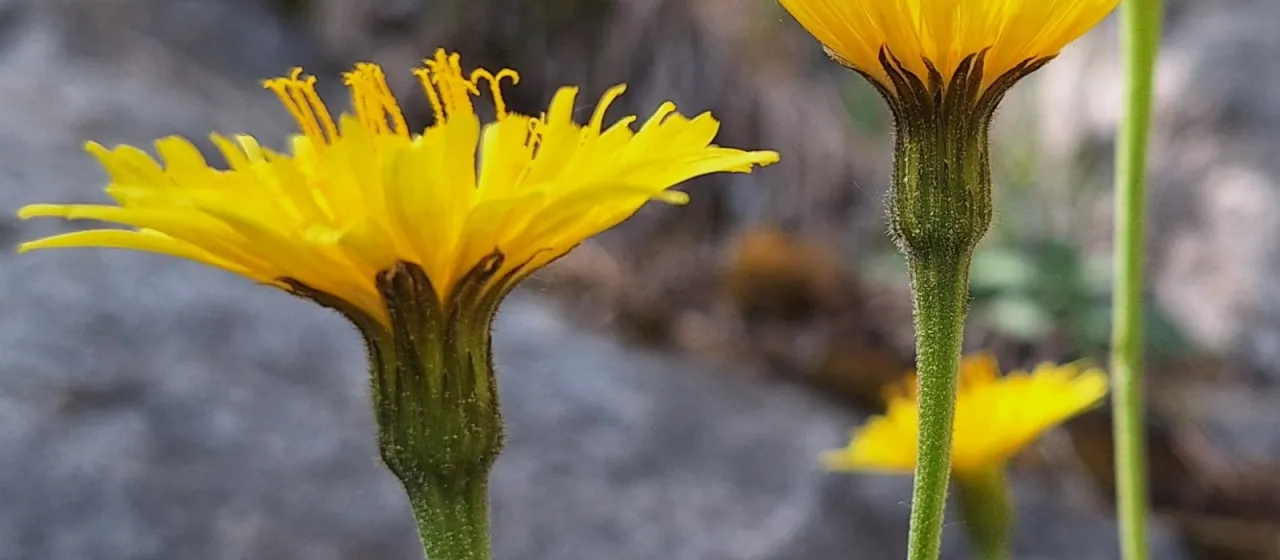
Botanically, the species is distinguished by its pubescent (hairy) foliage, which gives the plant a grayish appearance, effectively protecting it from high-altitude solar radiation. The plant develops a robust taproot system that supports survival in thin, stony soils. The flowering stage typically produces solitary, bright yellow capitula that serve as a source of nectar in early summer.
Regarding climate and soil, this plant thrives in open, sunny locations with well-drained, nutrient-poor soil. It is well-adapted to short growing seasons and cold climates. Agrotechnical management requires minimal fertilizer application, as the plant is adapted to oligotrophic conditions, though it benefits from periodic management of competing vegetation.
In terms of agricultural use, it is a stable component of natural mountain grasslands, contributing to the biodiversity and overall nutritional quality of hay for livestock. Regarding phytosanitary risks, the hoary hawkbit is generally resistant to pests. Disease pressure is usually low, though it may occasionally be susceptible to rust fungi or powdery mildew in humid, stagnant air conditions, necessitating proper field management.