
Description
Leontodon rigens is a perennial herbaceous plant belonging to the Asteraceae family. Within the agricultural sector, this species is noted for its potential in creating forage cover, particularly in regions that mirror its native subtropical or temperate island habitats. Its biological profile makes it a resilient candidate for grazing lands and land restoration projects.
The plant is native to Macaronesia, specifically thriving on islands such as Madeira and the Canary Islands. Its natural distribution is characterized by diverse terrain, ranging from coastal areas to high-altitude slopes. This historical adaptation to oceanic climates allows the plant to handle environmental stressors such as saline air and variable moisture levels effectively.
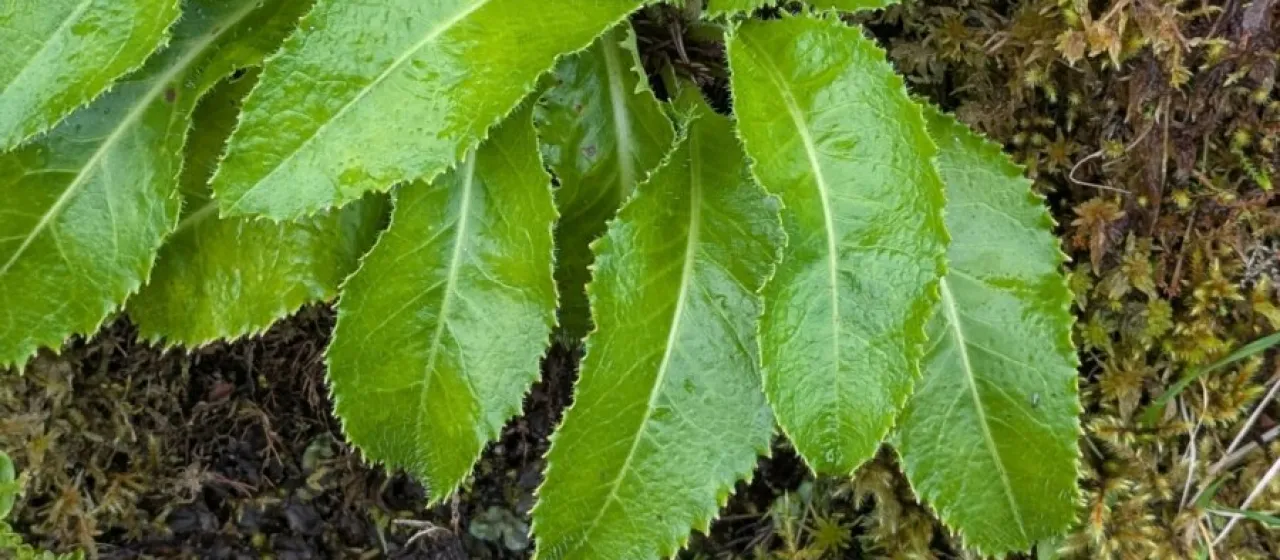
Botanically, Leontodon rigens is distinguished by its basal rosette of dentate leaves and stiff, characteristic pubescence on its stems. The inflorescence consists of yellow flower heads which are typical for the family. The taproot system is robust, allowing the plant to reach deep soil nutrients and provide stability to the substrate, which is a key trait for soil conservation.
Agricultural requirements for this crop focus on well-drained, nutrient-rich, and slightly acidic soils. Cultivation success depends on maintaining adequate sun exposure and preventing waterlogging in the root zone. Proper land preparation, including light tillage and the removal of competing weeds during the establishment phase, is essential for achieving a high-density stand.
The primary agricultural utility of this species lies in its use as fodder for livestock in highland grazing systems. It offers a balanced nutritional profile when harvested at the vegetative stage. Common agricultural challenges include susceptibility to typical Asteraceae pests such as aphids and, under conditions of poor ventilation or excessive humidity, vulnerability to mildew and fungal rot.