
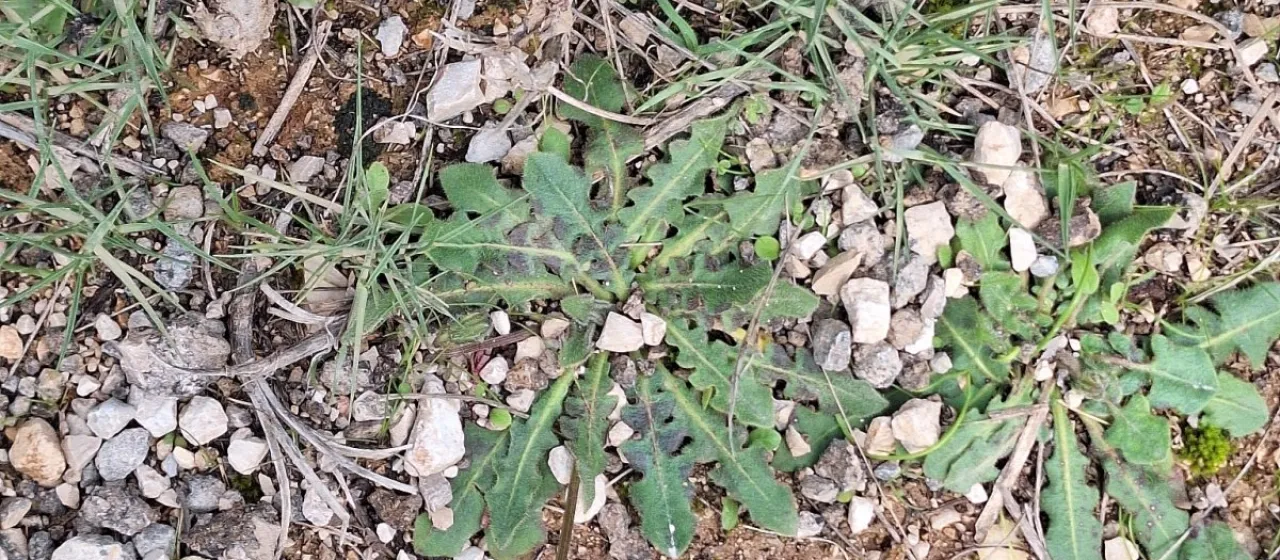
Description
Tuberous hawkbit (Leontodon tuberosus) is a perennial herbaceous plant belonging to the Asteraceae family. It is a distinct species known for its fleshy underground tubers, which serve as storage organs for nutrients. In specialized agricultural contexts, this crop is valued for its hardiness and potential as a secondary food source.
The native distribution area of the plant spans the Mediterranean region, where it thrives in diverse habitats. It is primarily found in dry meadows, rocky slopes, and scrublands. The plant demonstrates high tolerance to Mediterranean climates, characterized by warm, dry summers and mild, moist winters, making it a robust choice for appropriate soil types.
Botanically, it forms a basal rosette of pinnatifid leaves and produces bright yellow flower heads on slender, leafless scapes. The distinguishing feature of Leontodon tuberosus compared to other hawkbit species is its capacity to develop distinct, edible tubers along the root system, which are crucial for the plant's survival during drought cycles.
Agronomic management requires light, well-draining soil, ideally with a neutral to slightly alkaline pH. Sowing should take place in spring to ensure proper establishment before the heat. It is a low-maintenance crop, requiring minimal water and fertilization. Irrigation should be carefully managed to prevent waterlogging, which can compromise the quality of the harvestable tubers.
Its primary use is in the culinary sector, where tubers are prepared similarly to other root vegetables, offering a unique flavor profile. From a phytosanitary perspective, the crop is generally resistant, but may be susceptible to fungal diseases such as root rot if moisture levels are poorly controlled. Common pests include aphids and soil-dwelling larvae, which require integrated pest management strategies.