Lemon-scented tea tree
Leptospermum petersonii F. M. Bailey
Description
Leptospermum petersonii, commonly known as the lemon-scented tea tree, is a perennial evergreen shrub belonging to the Myrtaceae family. The plant is highly valued for its aromatic foliage, which releases a distinct lemon scent when crushed, distinguishing it from other members of the tea tree genus.
Originating from the coastal regions of eastern Australia, this species thrives in subtropical climates. It is cultivated in various parts of the world where frost is minimal, as the plant prefers warm environments and high humidity levels. In its native habitat, it is typically found in forested areas with sandy, well-draining soil types.
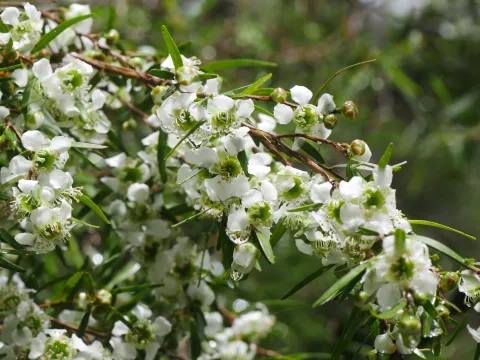
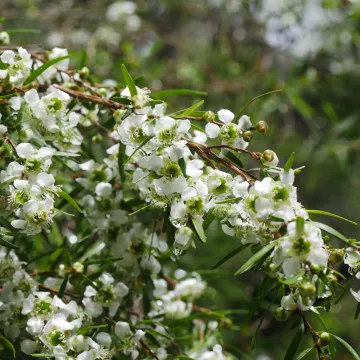
Botanically, the plant features narrow, lance-shaped leaves and produces abundant small white flowers, typically blooming during the warmer months. Its growth habit can vary from a medium-sized shrub to a small tree, depending on local environmental conditions and whether the plant is managed through pruning techniques.
Agricultural success depends on providing acidic, low-phosphorus, and well-drained soil. The plant requires full sun to partial shade for optimal growth and chemical development in its leaves. Irrigation must be managed carefully, as the root system is susceptible to decay if the soil remains waterlogged for extended periods.
The primary economic value of Leptospermum petersonii lies in its essential oil, which is processed for use in personal care products, aromatherapy, and natural disinfectants due to its potent antimicrobial properties. Growers should remain vigilant against common pests such as spider mites and scale insects, which may flourish if the plant is stressed by improper environmental conditions.
Photo gallery