Leucospermum
Leucospermum cordifolium (Salisb. ex Knight) Fourc. x L. tottum (L.) R. Br.
Description
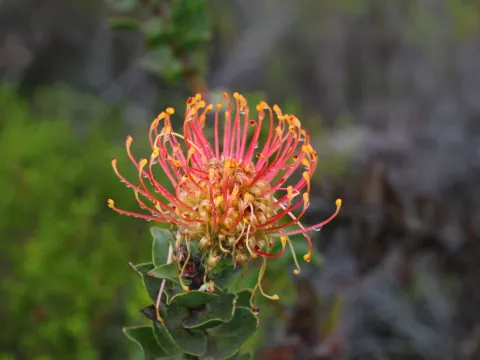
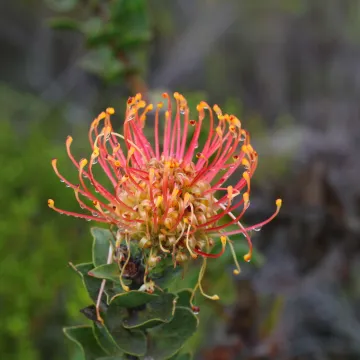
Leucospermum is an evergreen shrub belonging to the Proteaceae family. This hybrid, derived from Leucospermum cordifolium and Leucospermum tottum, is a highly valued commercial crop in the floral industry. It is widely recognized for its striking, pin-cushion-like inflorescences, which possess exceptional vase life and architectural beauty, making them a premium choice for high-end floral arrangements.
The plant originates from the southern regions of Africa, where it has adapted to specific Mediterranean-like climate zones. Currently, commercial production is concentrated in regions such as Australia, South Africa, New Zealand, Israel, and California. These areas offer the necessary environmental conditions, including cool nights and sunny days, which are crucial for the development of high-quality flower heads.
Botanically, the plant is characterized by leathery, serrated leaves and unique flower heads composed of numerous individual florets with long, rigid styles. The structure of the inflorescence is adapted for pollination by birds, which in an agricultural setting requires careful management of plant health to ensure that the physical structure of the flower remains pristine and attractive for the market.
Cultivation requirements are strict, particularly regarding soil and fertilization. Leucospermum demands well-drained, acidic soil. A critical aspect of its agrotechnology is its intolerance to phosphorus, which can be toxic to the protea family; therefore, specialized low-phosphorus fertilizers are essential. Proper drainage is also mandatory to prevent waterlogging, which often leads to fatal root rot.
Common horticultural challenges include fungal diseases such as Phytophthora, especially in poorly drained soils or humid environments. Pests, including aphids and mealybugs, can also affect plant vitality. Effective management involves rigorous monitoring, balanced irrigation, and maintaining optimal soil aeration to ensure long-term productivity of the plantation. The primary use is strictly for the fresh cut flower market.
Photo gallery