Leucospermum glabrum x Leucospermum tottum
Leucospermum glabrum x Leucospermum tottum
Description
Leucospermum glabrum x Leucospermum tottum is a decorative interspecific hybrid belonging to the Proteaceae family. This evergreen perennial shrub was bred to produce unique inflorescences that combine the spectacular shape and vibrant coloration of its parent species. In the agricultural sector, it is highly valued for its exceptional vase life and significant ornamental appeal during the blooming season.
The plant originates from the regions of Southern Africa, where wild Proteaceae species have adapted to Mediterranean-type climates. Commercially, this hybrid is cultivated in regions with mild climates, such as South Africa, Australia, Israel, and New Zealand, which provide the essential environmental conditions required for this heat-loving crop to thrive.
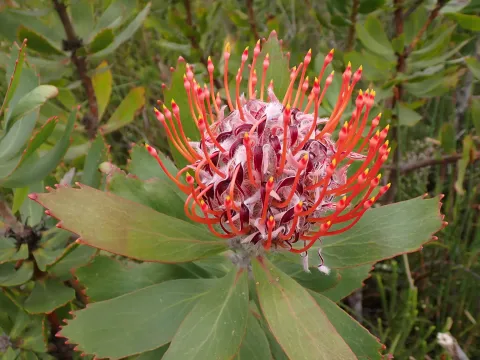
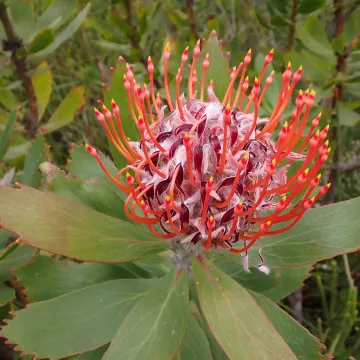
Botanically, the crop is characterized by rigid, leathery foliage and unusual head-like inflorescences consisting of numerous flowers with long, protruding styles, resembling pins or pincushions. The color palette of the hybrid ranges from deep orange to fiery red tones. The plant possesses a robust root system capable of extracting nutrients effectively from nutrient-poor, sandy soils.
Successful cultivation requires well-drained, slightly acidic soil with very low phosphorus levels, as Proteaceae are extremely sensitive to phosphorus toxicity. The crop prefers open, sunny locations with excellent air circulation. The agronomic practice involves moderate irrigation to prevent root rot and consistent pruning after the flowering stage to encourage the development of vigorous new shoots.
The primary economic use of this plant is in industrial floriculture. Cut stems of Leucospermum are highly sought after by florists due to their longevity, often remaining fresh in a vase for two to three weeks. Furthermore, the hybrid is increasingly utilized in landscape architecture, particularly for creating exotic, low-maintenance garden displays in arid climates.
- High sensitivity to waterlogged soil conditions.
- Protection against severe frost is strictly required.
- Susceptibility to Phytophthora root rot in poor drainage.
- Infestation by mealybugs during periods of poor air circulation.
Photo gallery