
Description
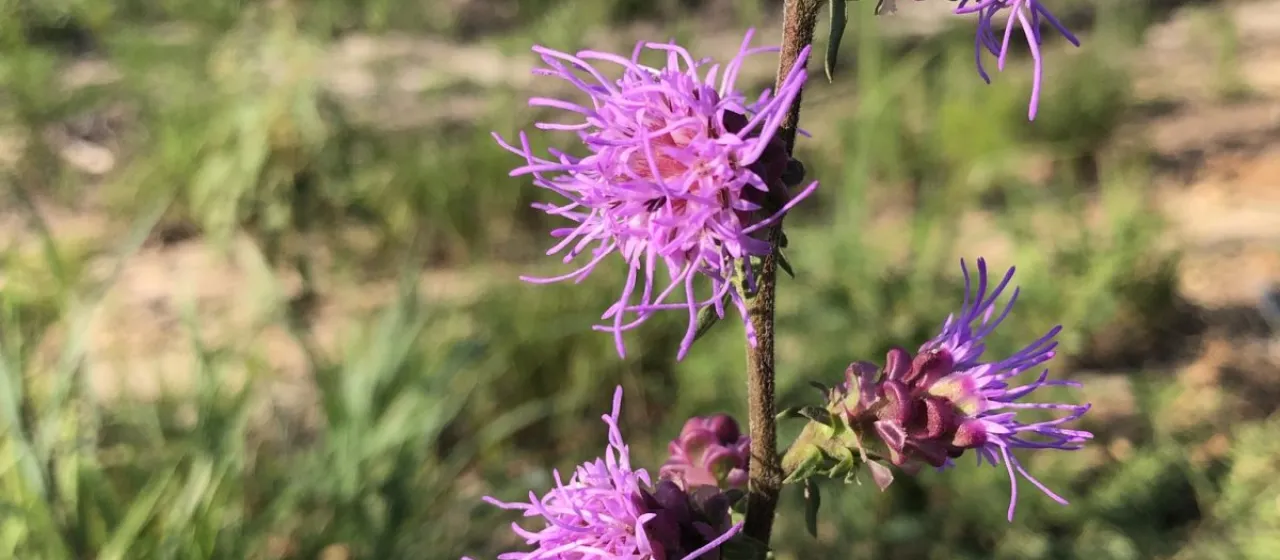
Rough blazing star (Liatris aspera) is a perennial herbaceous plant belonging to the Asteraceae family. It is a prized species in horticultural practices, valued for its unique, bottle-brush-like flower spikes that bloom in late summer. Unlike some of its relatives, this species is particularly noted for its drought tolerance and its ability to thrive in poor, sandy soil conditions that would be unsuitable for many other garden perennials.
The plant is native to the central and eastern regions of North America, where it typically inhabits dry prairies, meadows, and oak savannas. Its historical adaptation to such environments makes it a hardy choice for modern gardening and restoration projects. Due to its rugged nature, it is widely utilized in naturalistic landscaping and meadows where low-maintenance, high-impact plants are required.
Botanically, Liatris aspera develops from a corm-like rootstock that serves as a storage organ for water and nutrients. The stems are covered with linear, rough-textured leaves, which is the defining characteristic for its specific epithet. The flower heads are composed of small, feathery florets that open progressively from the top of the stem downward. This growth habit provides a long-lasting ornamental effect in the garden.
Cultivation requirements for this species focus primarily on soil structure and site selection. It thrives in full sun and requires well-drained, slightly acidic to neutral soil. Poor drainage is the most common cause of failure, as the corms are prone to rotting in waterlogged winter soil. While established plants are highly drought-tolerant, supplemental water during the initial establishment year is recommended to encourage deep root growth.
In terms of economic and ecological value, Rough blazing star serves as a major attractant for pollinators, including bees, butterflies, and moths. It is relatively free from serious pest issues, though slugs may damage new foliage, and voles can sometimes forage on the underground corms. Maintaining a clean cultivation area and ensuring proper spacing between plants helps prevent fungal issues like stem rot, keeping the planting healthy for many years.