
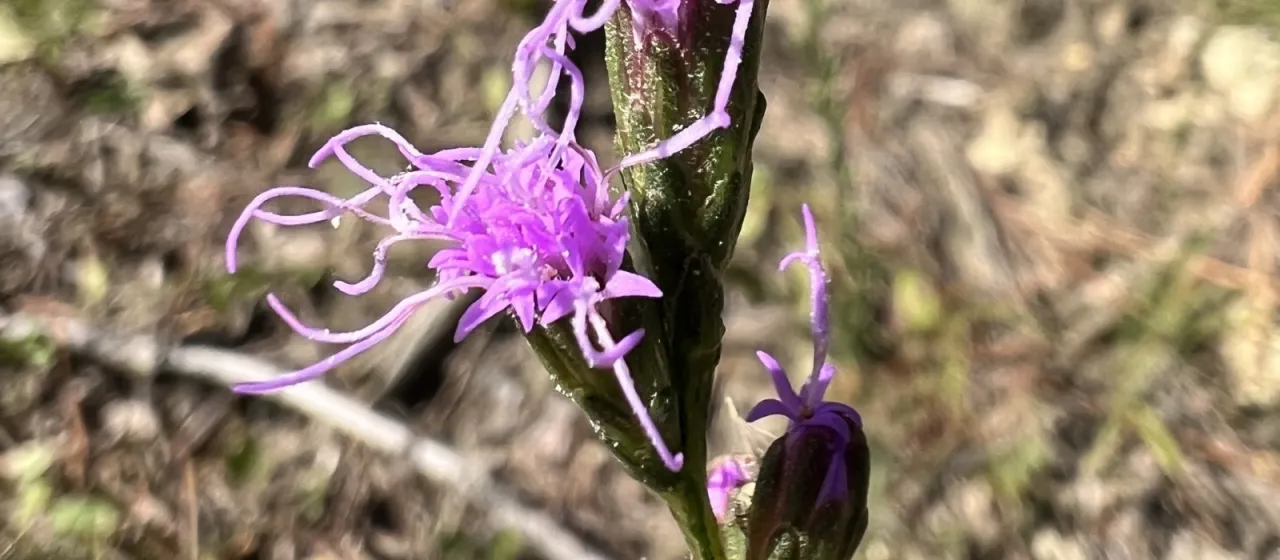
Description
Liatris pilosa is a perennial herbaceous crop belonging to the Asteraceae family. Known for its distinct spike-like inflorescences and slender foliage, it has gained significant importance in commercial floriculture and landscape horticulture. This plant is valued for its uniformity, vase life, and resilience in various growing environments.
The species is native to North America, originally found in prairies and open grasslands. Its cultivation now spans across temperate regions globally. The crop is well-regarded for its adaptability to specific climatic conditions, provided that the growing season offers sufficient solar radiation and moderate precipitation, which are essential for high-quality biomass production.
Botanically, Liatris pilosa features a tuberous root system that serves as a nutrient storage organ. The stems are upright, often showing pubescence, which distinguishes the species. The flowers emerge as dense, spikes that bloom from the top downward, typically reaching maturity in mid-to-late summer. The foliage is linear and clustered at the base of the plant.
Agrotechnical requirements focus on light, well-draining soil types. Waterlogging is the primary limiting factor for successful cultivation; therefore, site selection must prioritize excellent drainage. The standard agricultural management protocol includes:
- Site preparation with organic matter incorporation before planting.
- Application of balanced NPK fertilizers during the vegetative stage.
- Controlled irrigation practices to prevent crown rot.
- Systematic monitoring for pests and diseases.
In commercial agriculture, the primary output is cut flowers for export and domestic markets. Apart from its ornamental value, the plant is a significant source for pollinators, supporting biodiversity in farming systems. Common threats include root pathogens such as Rhizoctonia or Pythium under high-moisture conditions, as well as occasional damage from soil-dwelling insects. Preventive measures involve proper crop rotation and fungicide application.