
Description
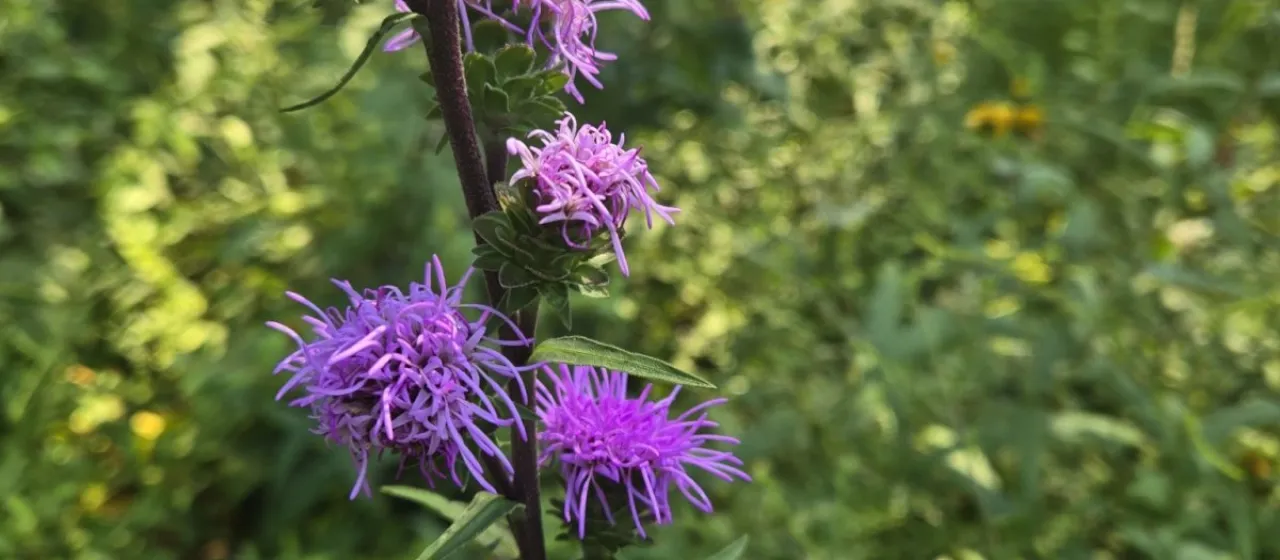
Liatris scariosa is a robust perennial herb belonging to the Asteraceae family. Known for its distinctively showy, purple-to-lavender spike-like flower heads, this species is a highly valued ornamental plant used extensively in horticultural practice for its unique vertical structure and long blooming period.
The plant originates from North America, specifically inhabiting prairies, meadows, and open woodlands. Its adaptability to various environmental conditions has made it a preferred choice for gardeners and landscapers across temperate climate zones, where it is often grown for mass plantings or borders.
Botanically, the plant develops from rounded or tuberous corms, producing leafy stems that culminate in dense, cylindrical racemes. Unlike other species in the genus, Liatris scariosa is recognized for its broad, sturdy foliage and large, individual flower heads that contribute to its distinctive appearance during the late summer and autumn months.
Cultivation requires specific agronomic attention, particularly concerning soil composition. It thrives in well-drained, sandy, or loamy soils and requires full sun exposure to produce high-quality blooms. Proper management involves controlling soil moisture levels, as waterlogging is the primary cause of root rot in these perennial crops.
In terms of economic and practical utility, Liatris scariosa is primarily utilized for landscape design and floral industry applications, such as cut flowers. It is also recognized for its ecological role as a nectar source for pollinators, including bees and butterflies, which adds significant value to sustainable garden ecosystems.
- Excellent drought tolerance once established.
- High winter hardiness in temperate climates.
- Sensitivity to heavy, clay-rich, water-saturated soils.
- Generally low maintenance with minimal pest susceptibility.