Sea lavender
Limonium sinuatum (L.) Mill.
Description
Sea lavender (Limonium sinuatum), commonly referred to as statice, is a prominent horticultural crop belonging to the Plumbaginaceae family. It is widely recognized in the agricultural sector as a premier plant for the production of dried flowers due to its ability to retain vibrant color and form after harvest.
Originally native to the Mediterranean basin and North Africa, this species has been naturalized and cultivated globally. As an agricultural commodity, it is favored for its adaptability to various Mediterranean-type climates, requiring significant solar exposure and well-drained substrate to reach optimal developmental stages.
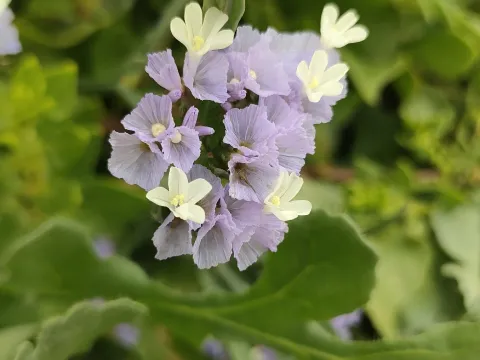
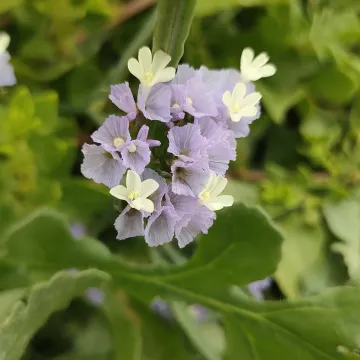
The plant exhibits a characteristic rosette of pinnately lobed leaves and sturdy, branched flowering stems that reach up to 70 cm in height. Its inflorescences consist of dense clusters of small, papery flowers, which are the main commercial feature. Breeders have developed a vast array of cultivars providing a wide spectrum of colors, including white, yellow, lavender, and deep blue.
Agronomic management of Limonium sinuatum relies on providing neutral to slightly alkaline, sandy-loam soils with excellent drainage. Overwatering or poor aeration frequently leads to root rot issues, which are among the most common physiological failures in commercial plots. Propagation is usually conducted via transplanting seedlings started in controlled environments to maximize the production cycle.
Crop protection remains a critical aspect of cultivation. Growers must monitor for fungal pathogens, such as powdery mildew, and insect pests like aphids or thrips, which can impact the quality of the stems. Proper spacing and ventilation are essential strategies to maintain plant health and ensure high-grade production for both fresh-cut sales and drying applications.
Photo gallery