Live-forever
Hylotelephium telephium (L.) H. Ohba
Description
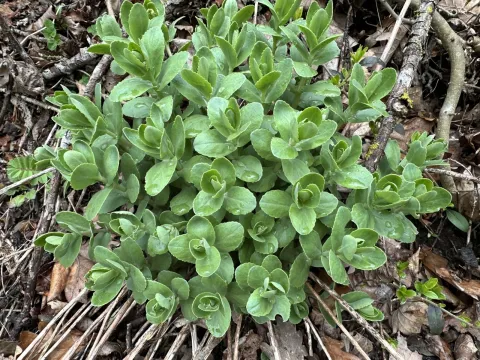
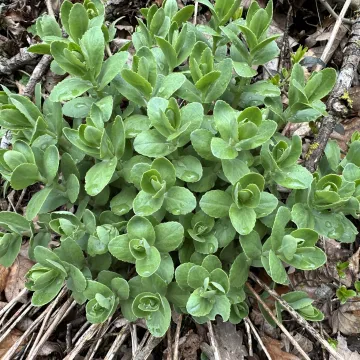
Live-forever (Hylotelephium telephium) is a perennial herbaceous plant belonging to the Crassulaceae family. It is characterized by thick, tuberous roots and fleshy, succulent leaves that allow the plant to withstand arid conditions, making it an excellent choice for xeriscaping and sustainable agriculture.
Originally native to Europe and parts of Asia, this plant has adapted to a wide range of habitats, including rocky slopes and forest edges. In an agricultural context, it is cultivated for its ornamental value, medicinal properties, and role as a late-season nectar source for pollinators.
Botanically, the plant features erect stems and flat-topped clusters of pinkish-purple flowers. It thrives in full sun and requires well-draining, sandy or loamy soil. It is exceptionally resilient to cold, making it a reliable perennial in temperate climates, needing little protection throughout the winter months.
The agrotechnical requirements are straightforward: planting should occur in spring. Maintenance involves regular weeding and minimal supplemental watering. Over-fertilization should be avoided, as it can cause the stems to become weak and leggy, reducing the plant's structural integrity and aesthetic appeal.
Beyond landscaping, the plant is harvested for its bioactive compounds, which are used in traditional medicine for their healing and immune-boosting properties. It is also an important crop for apiaries, as it provides a late-summer source of food when many other floral resources have finished blooming.
- Key pests: aphids, slugs, and vine weevils.
- Common diseases: fungal rot due to poor soil drainage.
- Optimal conditions: full sun, neutral to slightly acidic pH.
- Propagation: stem cuttings and rhizome division.
Photo gallery