
Description
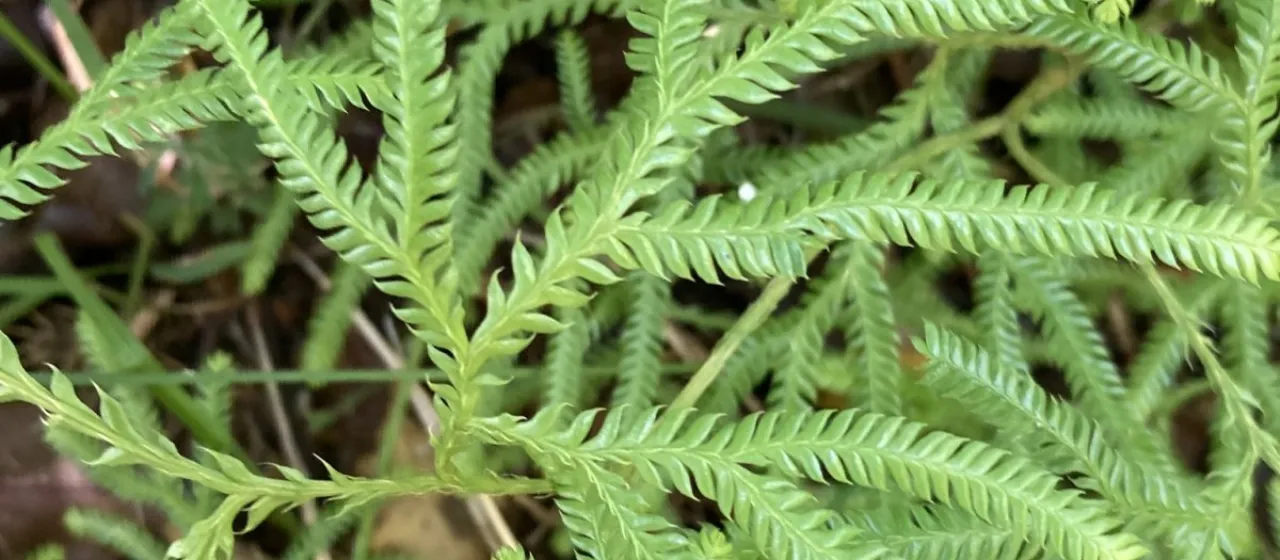
Climbing clubmoss (Lycopodium volubile) is a perennial vascular plant belonging to the Lycopodiaceae family. Known for its distinct growth habit, this species features long, trailing or climbing stems that set it apart from typical ground-dwelling members of its genus.
The plant originates from the tropical and subtropical regions of Southeast Asia, Australia, and New Zealand. It naturally thrives in moist, shaded forest floors or along forest margins, where it utilizes its climbing capability to seek optimal light conditions within the dense understory.
Botanically, it is characterized by its flattened, highly branched stems and scale-like leaves. It reproduces via spores, which are carried in specialized terminal strobili that stand upright at the tips of the branches, providing a unique architectural element to the plant’s appearance.
Cultivation requires specific environmental parameters, including a loose, acidic, and organic-rich growing medium. It is essential to maintain high relative humidity and avoid direct, intense sunlight. Proper air circulation is critical to prevent the development of physiological disorders in greenhouse environments.
In terms of хозяйственное использование, the plant is primarily utilized in the florist industry as decorative foliage due to the durability of its stems.
- Requires cool and humid conditions.
- Sensitive to excessive mineral salts in fertilizers.
- Prone to mold if ventilation is insufficient.
Common issues include fungal infections during the winter months, which can be managed by strictly regulating watering and ensuring sufficient drainage. As a decorative culture, it remains a rare but highly valued species for specialized indoor and botanical collections.