
Description
Mallotus tetracoccus is a fast-growing, evergreen tree species belonging to the Euphorbiaceae family. Recognized for its role as a pioneer species in tropical forest successions, it is capable of colonizing open or disturbed landscapes, reaching impressive heights in relatively short periods of time, making it a subject of interest for reforestation efforts.
The plant is native to a broad range of tropical regions throughout Asia, stretching from India and the Himalayan foothills to Indochina, China, and the Malay Peninsula. It thrives in various altitudes, typically preferring tropical rainforest environments where precipitation is consistent, though it exhibits significant plasticity in adapting to diverse moisture regimes.
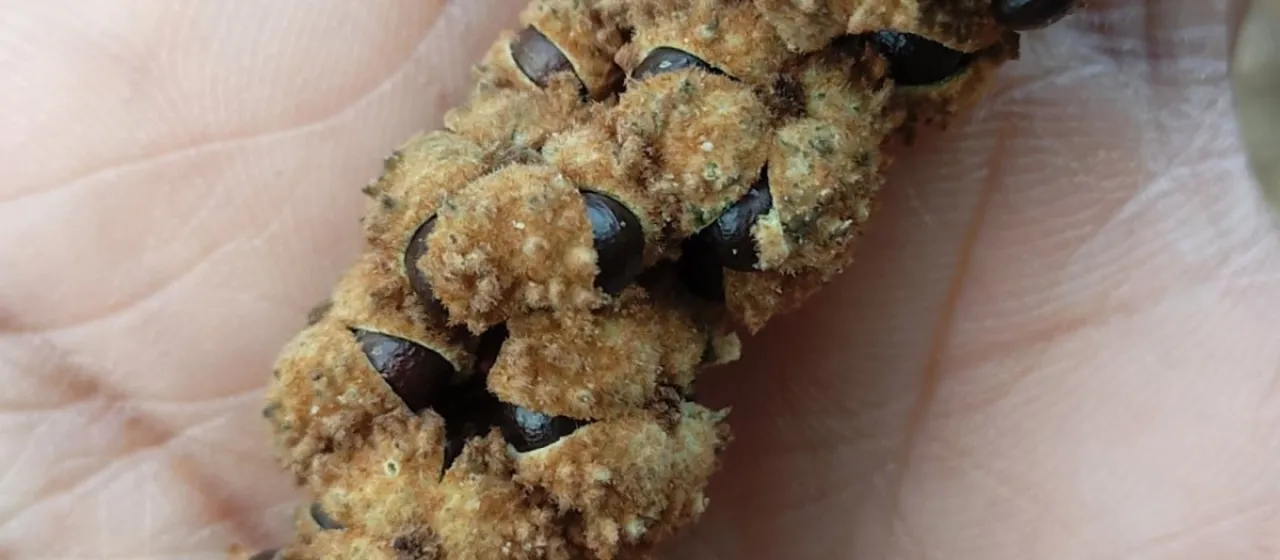
Botanically, the species is identified by its large, alternate leaves which are often covered with fine hairs, particularly on the underside. Its reproductive organs are arranged in small clusters of flowers, eventually developing into four-lobed fruit capsules. This distinct feature is reflected in its taxonomic naming and plays a role in its natural reproductive cycle.
Successful cultivation requires soil that is rich in organic matter and maintains excellent drainage, as the species is sensitive to waterlogging. Planting densities should be carefully managed to ensure canopy development and to maximize biomass accumulation. While it is a robust species, initial site preparation and light management are critical for establishing a healthy stand.
The economic and practical utility of this species includes:
- Utilization of its soft, lightweight wood for the production of crates and interior construction panels.
- Extraction of oils from the seeds for technical applications in manufacturing varnishes.
- Integration into agroforestry systems as a shade provider for sensitive crops.
- Use in soil conservation efforts due to the rapid accumulation of leaf litter and surface organic matter.
The primary challenges in maintaining Mallotus tetracoccus involve protecting young saplings from fungal pathogens that thrive in high humidity and stagnant water. Pest control mainly focuses on monitoring for specific lepidopteran larvae that target the foliage. Proper sanitation and spacing are the most effective non-chemical strategies for maintaining the health of the plantation.