
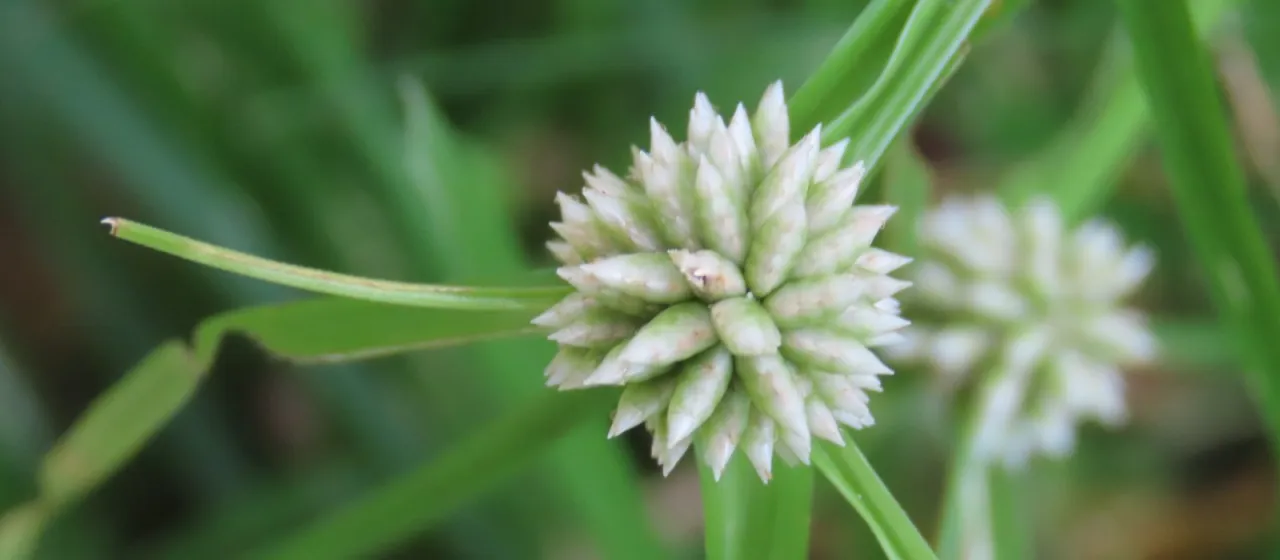
Description
Mariscus dubius is a perennial herb belonging to the Cyperaceae family. Within the field of agronomy, this species is frequently studied as a constituent of natural grasslands and meadows in tropical and subtropical regions. Its resilience and ability to colonize varied environments make it an important subject for ecological research and potential land management strategies in pasture-based systems.
The plant is native to tropical regions across Africa and Asia, where it thrives in warm and humid conditions. It is typically found in open fields, alongside riverbanks, and in areas subjected to seasonal flooding. Its natural range demonstrates a high level of environmental plasticity, allowing it to adapt to diverse moisture regimes and varying soil nutrient profiles in its native habitats.
Botanically, Mariscus dubius is characterized by a dense growth habit and a robust rhizomatous root system. The leaves are narrow, linear, and possess a fibrous texture, which is typical for sedges. The inflorescence consists of spikes organized into umbrella-like heads, a distinct feature that assists in identification. The plant propagates effectively through both seeds and underground vegetative structures, which ensures population stability.
Cultivation requirements for Mariscus dubius center on providing adequate warmth and moisture throughout the vegetative cycle. While the plant can tolerate nutrient-poor soils, higher yields are achieved on fertile, loamy soils that maintain consistent moisture levels. Agronomic management involves optimizing planting density and managing the hydration levels of the fields, especially during prolonged dry spells to which the plant may be sensitive.
In terms of agricultural utility, the plant serves primarily as forage for livestock. It is most palatable and nutritious during its early growth phases; however, as the plant matures, the accumulation of silica in the leaves renders it less desirable for cattle. Typical pests and diseases include fungal infections of the leaf blades in high humidity and various sucking insects that can affect biomass production. Monitoring and preventive maintenance are essential for healthy yields.
- Strong resilience in varied tropical climates.
- Provides soil stabilization through its root network.
- Forage value decreases as the plant matures.