
Description
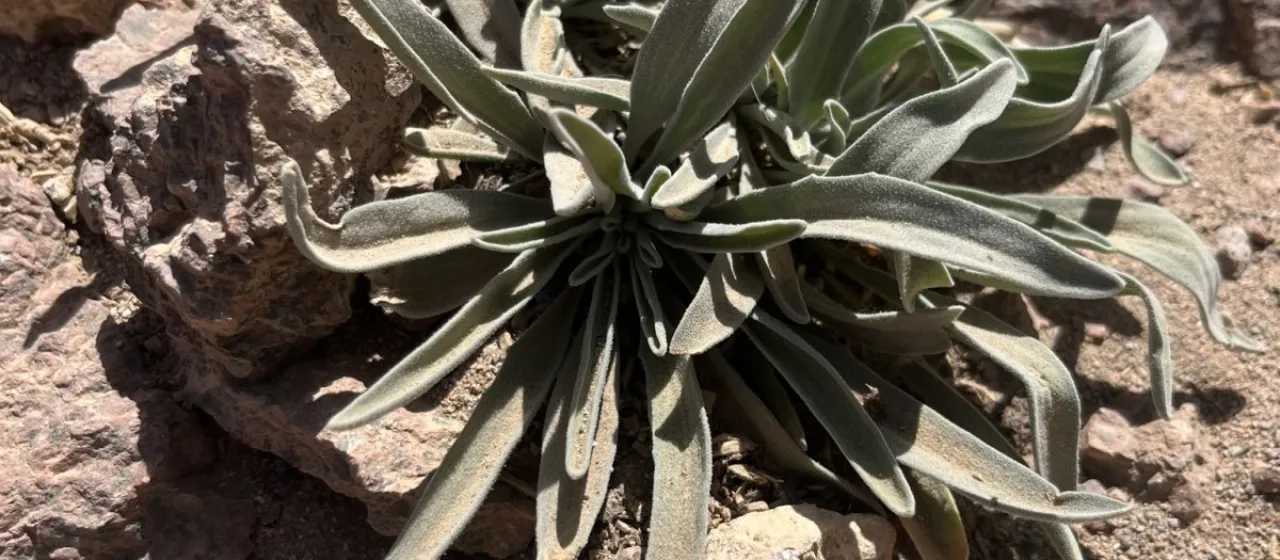
Arabian stock (Matthiola arabica) is an annual herbaceous plant belonging to the Brassicaceae family. Unlike its well-known garden cousins, this species is specifically adapted to the harsh environments of desert and semi-desert ecosystems. Its small stature and dense pubescence are evolutionary traits designed to minimize water loss and protect the plant from extreme heat.
The native range of this species extends across the arid zones of North Africa and the Middle East. It thrives in soils that are typically low in nutrients, such as sandy dunes or rocky outcrops. Being an ephemeral, the plant capitalizes on short periods of rainfall to germinate, grow, flower, and set seeds before the moisture disappears from the soil profile.
Botanically, Matthiola arabica is characterized by narrow, often grayish-green leaves and small, subtle flowers. The plant exhibits a high degree of phenotypic plasticity, adjusting its growth rate based on the available water supply. Its root system is disproportionately deep, enabling the plant to reach moisture stored in deeper soil layers where evaporation rates are significantly lower.
Cultivation requirements for this species are strict and focus on simulating its natural arid environment. Excellent drainage is non-negotiable, as the plant is highly susceptible to root rot and other moisture-related pathologies. It requires full sun exposure and a well-ventilated space, as high humidity and stagnant air are detrimental to its health and development.
Economically, the plant is primarily of interest to botanical research and breeding programs aimed at improving drought tolerance in ornamental crops. Typical pests include those affecting the Brassicaceae family, such as flea beetles and aphids. Growers must also monitor for fungal diseases that arise from excessive irrigation, which remains the primary challenge in maintaining this species in controlled conditions.