
Description
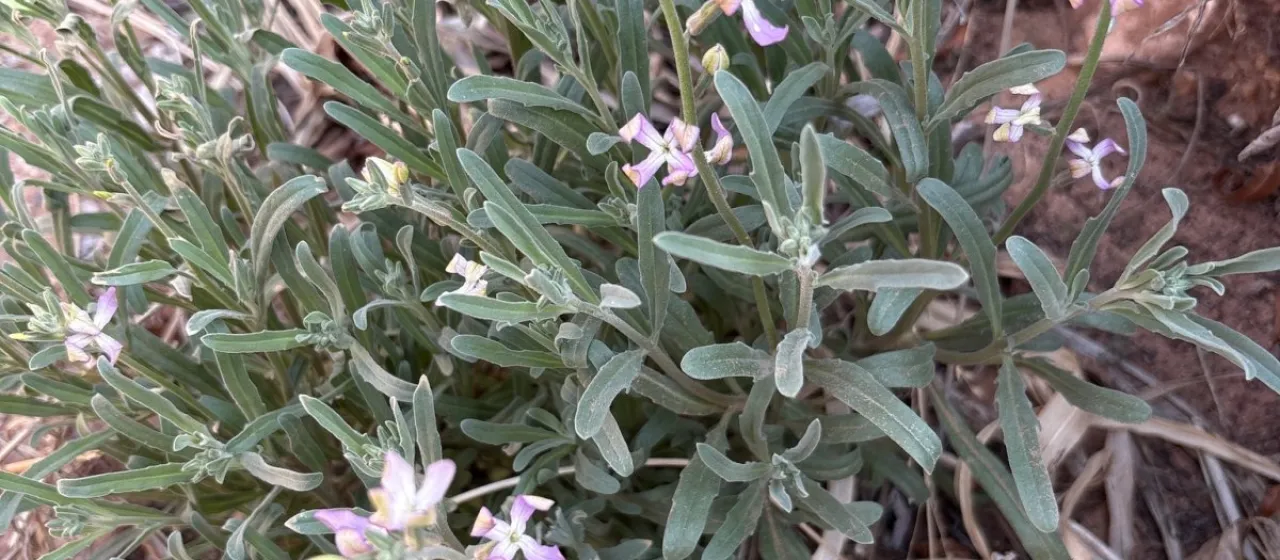
Matthiola aspera is a herbaceous flowering plant belonging to the Brassicaceae family. Distinguished by its unique, rough-textured pubescence on its leaves and stems, it differs from the more common ornamental stocks. As a botanical specimen, it is recognized for its adaptation to specific ecological niches and is studied for its resilience in arid environments.
The plant originates from the dry regions of Central Asia and the Middle East, where it typically thrives in rocky or sandy terrain. Its natural habitat is characterized by extreme temperature fluctuations, high solar radiation, and limited seasonal rainfall, which has driven the plant's unique biological and morphological development over time.
Botanically, Matthiola aspera features a deep, well-developed taproot system essential for survival in dry climates. The foliage forms a low-growing rosette, from which sturdy flowering spikes emerge. The reproductive process culminates in the production of siliques (seed pods) that are highly efficient at seed dispersal in wind-exposed desert environments.
Cultivation of Matthiola aspera requires strict attention to drainage. Because it is natively adapted to poor, stony soils, it performs poorly in fertile, water-retaining garden substrates. Gardeners must prioritize site selection that offers full sun exposure and mimics the lean, mineral-rich soils of its native habitat to prevent root rot and other moisture-related pathologies.
- Ensure full sun exposure for at least 6–8 hours daily.
- Incorporate grit or sand into the soil to optimize drainage.
- Practice a conservative irrigation strategy, avoiding overhead watering.
- Monitor for common cruciferous pests such as flea beetles and aphids.
While not a traditional broad-acre crop, Matthiola aspera holds value in specialized landscape architecture, particularly in xeriscaping. Its innate ability to withstand drought and heat makes it a sustainable choice for rock gardens and dry, sunny borders. By utilizing such species, landscape designers can create beautiful, resilient gardens that demand minimal resources and maintenance.