
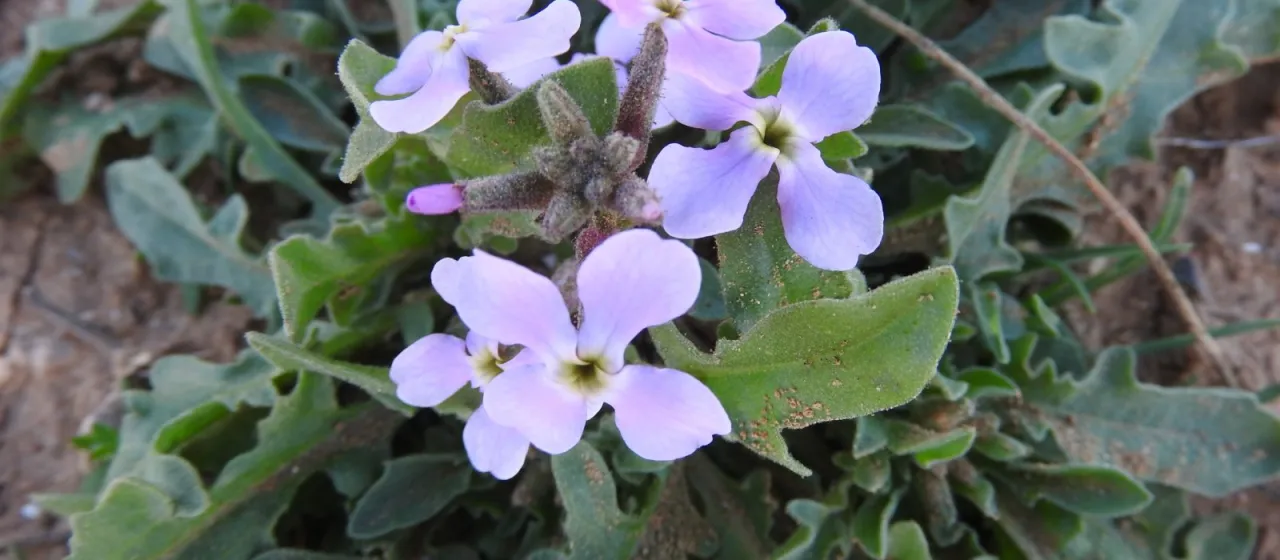
Description
Matthiola lunata is a specialized member of the Brassicaceae family, recognized by botanists for its resilience in arid environments. Unlike the more common ornamental stocks found in typical gardens, this species is specifically adapted to survive in harsh ecological niches where water availability is highly inconsistent.
The native range of this plant encompasses the Mediterranean basin and arid regions of North Africa. Growing primarily in rocky, sandy, or alkaline soils, the plant has evolved to thrive under low-nutrient conditions. Understanding its native habitat is crucial for anyone attempting to propagate or grow this species in controlled environments.
Botanically, Matthiola lunata is characterized by its pubescent foliage, which serves as a protective layer against excessive sun and water loss. The plant grows in a compact form, directing its energy into establishing a robust root system rather than excessive vegetative mass, which is a common survival strategy in its natural landscape.
Cultivation requirements necessitate well-drained, porous soil to mimic its native terrain. Any irrigation strategy must account for the plant's susceptibility to root rot when exposed to excessive moisture. A sunny position is mandatory, as low light levels lead to etiolation and a significant decrease in the plant's natural health and pest resistance.
In terms of agricultural and horticultural use, Matthiola lunata is valued primarily by botanical enthusiasts and researchers focusing on drought-resistant flora. Potential threats include common pests such as aphids and flea beetles, which target members of the mustard family. Proper spacing and airflow are recommended to maintain plant health throughout the growth cycle.
- Excellent drought tolerance
- Requires well-draining substrate
- Full sun exposure needed
- Avoid over-fertilization