
Description
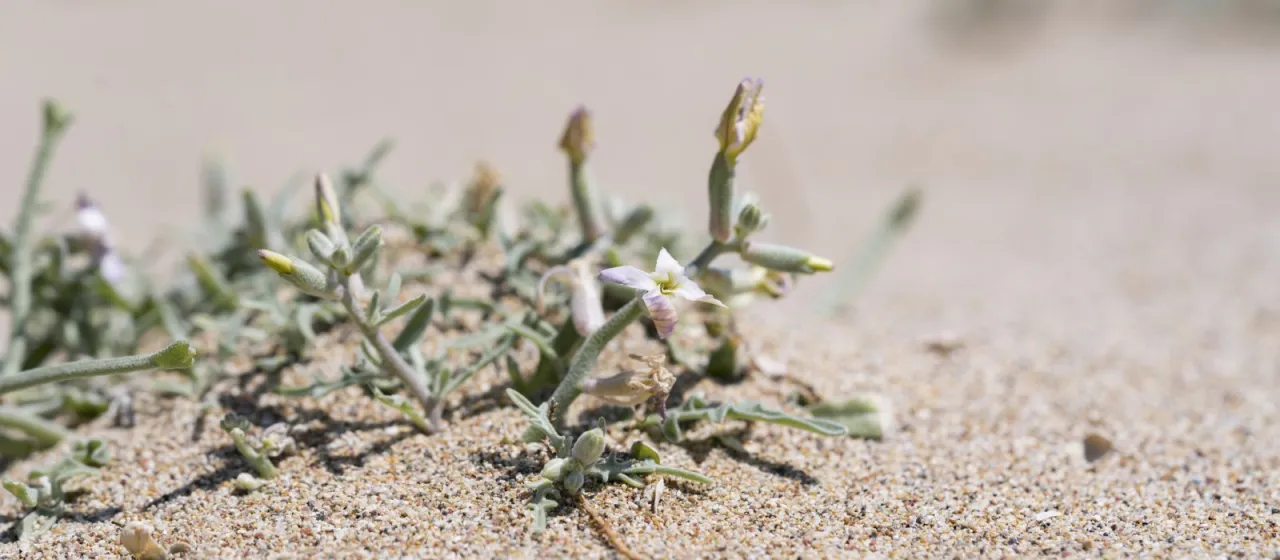
Matthiola humilis, commonly known as the low-growing stock, is a member of the Brassicaceae family. It is distinguished from its taller relatives by its compact, prostrate, or low-rising growth habit, making it a specialized choice for rock gardens and small-scale landscape designs.
The plant originates from the Western Mediterranean region, primarily found across the Iberian Peninsula and parts of North Africa. Its natural habitat consists of dry, open areas, often in rocky or sandy substrates, which has allowed the species to evolve strong drought-tolerance mechanisms suitable for arid climates.
Botanically, this species is characterized by a basal rosette of pubescent leaves that reduce transpiration. The inflorescences are racemes of small, fragrant flowers that exhibit a range of hues, typically pale pink, lavender, or white. The plant completes its life cycle within one or two years depending on local environmental conditions.
To achieve successful growth, producers must prioritize well-drained, porous soils with a neutral pH level. Proper site selection is critical, as the crop requires full sun exposure to thrive and develop robust flower spikes. Water management should be conservative, as excessive soil moisture is detrimental to the health of the root system.
The economic and horticultural utilization of Matthiola humilis focuses on:
- Ornamental groundcover in drought-prone garden sections.
- Integration into xeriscaping projects.
- Use in ornamental rockeries and architectural garden border designs.
- Genetic resources for breeding drought-hardy floral varieties.
Pest and disease management is centered on preventing fungal pathogens such as damping-off and root rot, which are triggered by stagnant water. Common pests include crucifer flea beetles and aphids, which require a preventative scouting program and, if necessary, the application of targeted insecticides to maintain crop vigor throughout the growing season.