
Description
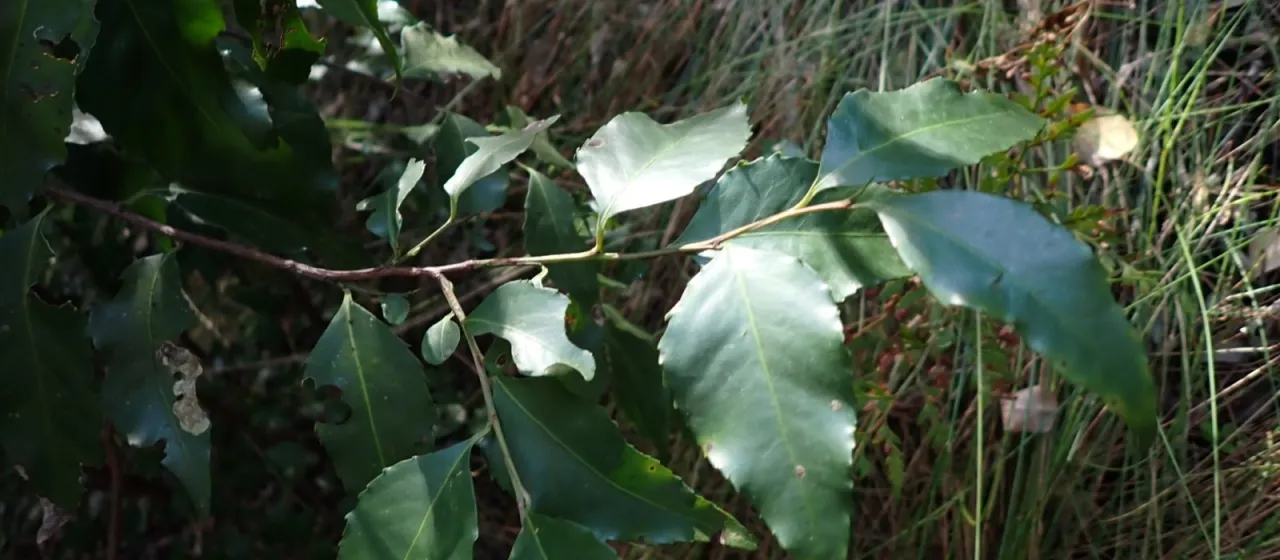
Maytenus acuminata, commonly known as the silky bark, is a prominent evergreen tree species belonging to the Celastraceae family. It is characterized by its smooth, grey bark and thick, glossy leaves, often exhibiting an acuminated tip. This species is highly regarded for its aesthetic value and ecological resilience in its native habitats.
The plant is native to the Afromontane forests of Southern Africa, thriving in diverse environments ranging from deep forest ravines to exposed rocky slopes. This wide geographic distribution demonstrates the plant's natural adaptability to varying environmental conditions, making it an interesting subject for both botanical study and agroforestry initiatives.
For successful cultivation, Maytenus acuminata requires fertile, well-draining soils with adequate organic matter content. It thrives in locations with high humidity and moderate rainfall. While it can withstand some sun exposure, it prefers semi-shaded conditions during its early growth stages to simulate the forest understory environment from which it originates.
Agricultural management of this crop involves regular monitoring of soil moisture levels to ensure the substrate remains moist but not waterlogged. Pruning is recommended to encourage a sturdy structure and to enhance air circulation within the canopy, which helps in preventing the onset of common fungal diseases. Propagation is typically achieved through seeds or stem cuttings treated with rooting hormones.
- Commercial uses: Ornamental landscaping, timber for fine cabinetry, and pharmaceutical research.
- Common pests: Scale insects and spider mites under glasshouse conditions.
- Management strategy: Integrated Pest Management (IPM) focusing on biological controls and proper irrigation scheduling.
The economic utility of Maytenus acuminata is multifaceted. Historically, its durable timber has been utilized for small woodwork and tool handles. Furthermore, recent scientific inquiries into the chemical composition of the plant have highlighted potential medicinal applications, suggesting that controlled cultivation could hold future value for the pharmaceutical and cosmetic industries.