
Description
The Chubut mayten (lat. Maytenus chubutensis) is a perennial woody plant species belonging to the Celastraceae family. This shrub is recognized for its unique adaptation to cold climates and its distinct structural morphology, which makes it an interesting subject for botanical research and cultivation.
Its natural origin is traced back to South America, specifically the Chubut province in Patagonia, Argentina. Thriving in the harsh, wind-swept environments of this region, the plant has evolved physiological mechanisms to withstand cold temperatures and poor, rocky soils that characterize its native habitat.
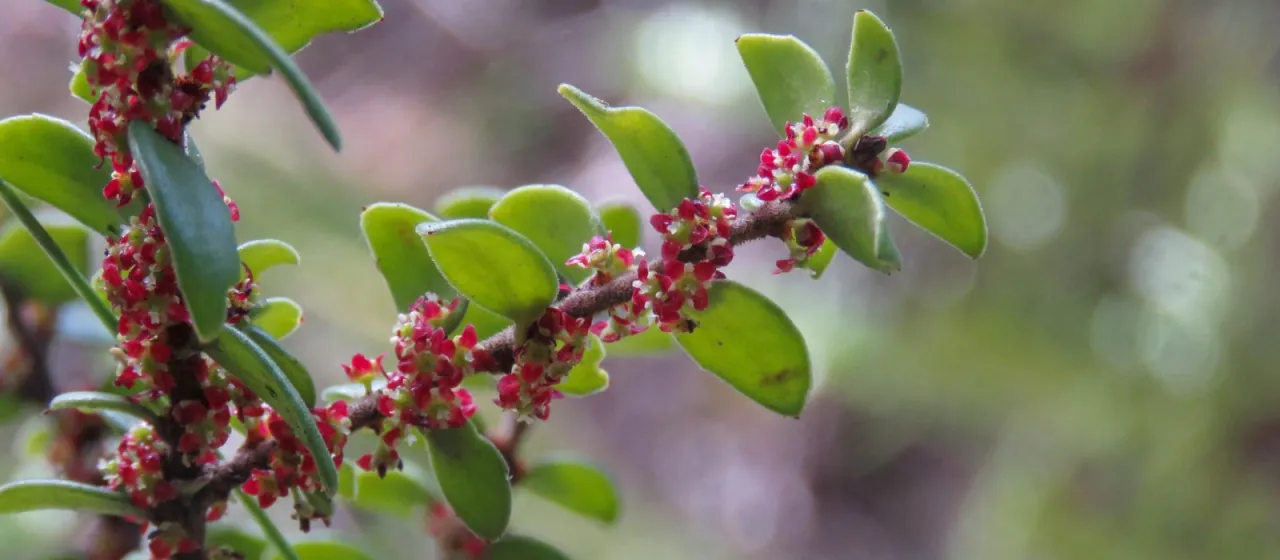
Botanically, the species features dense evergreen or semi-evergreen foliage with small, tough, leathery leaves designed to retain moisture and resist mechanical stress. The growth habit is slow, contributing to the plant's long-term durability. It produces inconspicuous flowers and small seed capsules, which are typical of the genus.
Cultivation requirements for the Chubut mayten include well-draining soil and a location with adequate light exposure, preferably sheltered from intense, drying winds. It is relatively low-maintenance once established, requiring only moderate irrigation during the early growth stages and protection from extreme soil waterlogging, which can cause root decay.
In terms of practical utility, the plant is primarily utilized in specialized ornamental landscaping and ecological restoration projects in temperate regions. Potential pests include common scale insects, while disease prevention relies heavily on maintaining proper spacing to ensure airflow and avoiding overwatering. Overall, it remains a rare but highly valued ornamental shrub for cold-climate gardens.