
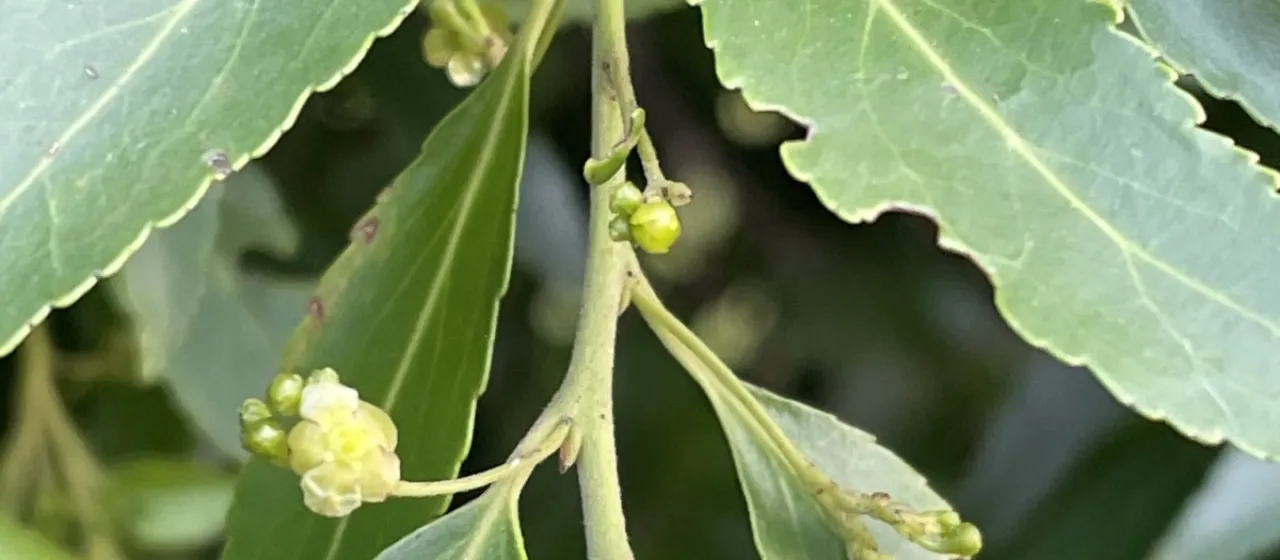
Description
Maytenus peduncularis is a perennial woody species belonging to the Celastraceae family. It typically grows as an evergreen shrub or a small tree, exhibiting distinct characteristics of adaptability to varied environmental conditions within its native habitats. The plant is well-regarded for its robust structure and the persistence of its foliage throughout the growing season.
Originating from Southern Africa, this species is naturally found in forest margins and woodland areas. Its distribution is closely linked to specific climatic zones that feature moderate rainfall and seasonal variations. The plant has evolved to thrive in protected niches, making it a valuable component of the local ecological landscape where it provides habitat and resources for local fauna.
Botanically, Maytenus peduncularis is identified by its coriaceous (leathery) leaves and inconspicuous flowers arranged on distinct peduncles. The fruit is a capsule common to the Celastraceae family, which splits to reveal seeds upon maturation. This structural adaptation ensures efficient seed dispersal and regeneration within its natural range.
Cultivation requirements for this species include well-drained, fertile soil with a neutral to slightly acidic pH. Proper irrigation is crucial, especially during the establishment phase, though mature specimens demonstrate reasonable drought tolerance. It performs best in locations that offer partial shade or filtered light, as direct and intense sunlight may scorch the foliage in younger plants.
In terms of economic and practical use, the plant is primarily valued in ornamental horticulture for its ability to form dense, evergreen hedges and windbreaks. Additionally, research into the phytochemical properties of Maytenus species continues to reveal medicinal potential, particularly in the study of secondary metabolites. Its ease of maintenance makes it a favorable candidate for xeriscaping or sustainable gardening practices.
- Excellent tolerance for pruning and shaping.
- Moderate resistance to common pests affecting Celastraceae.
- Adaptability to container gardening.
- Requirement for frost protection in colder climates.