Meadow cranesbill
Geranium pratense L.
Description
Meadow cranesbill (Geranium pratense L.) is a perennial herbaceous plant belonging to the Geraniaceae family. In agricultural and horticultural contexts, it is recognized for its value as a significant honey plant, a source of medicinal compounds, and an effective component in sustainable forage systems due to its robust growth habit.
The species is native to temperate regions of Eurasia, where it traditionally inhabits meadows, forest clearings, and riverbanks. It has been successfully introduced into various agricultural landscapes due to its extreme climate hardiness and adaptability to different soil types. Its ability to survive harsh winters makes it a reliable perennial for various geographic zones.
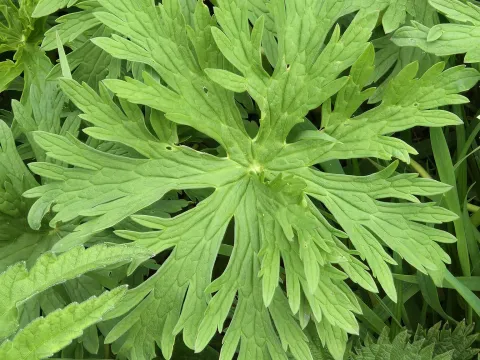
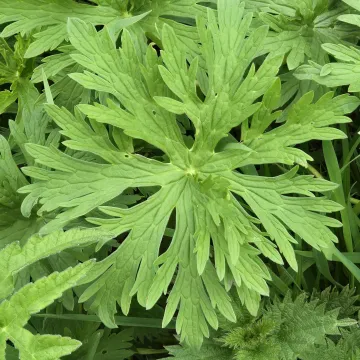
Botanically, the plant is characterized by deeply divided, palmate leaves and large, attractive blue to violet flowers that bloom in early summer. The root system is deep and rhizomatous, allowing the plant to secure nutrients and moisture from lower soil layers. This structure contributes to its longevity and efficiency in long-term perennial stands.
Cultivation requirements for meadow cranesbill focus on ensuring well-drained, fertile loam soils. While it is hardy, the plant performs best in locations with adequate soil moisture and moderate sunlight. Agricultural management involves early weed suppression during the establishment phase and occasional fertilization. It is relatively drought-tolerant once established but benefits from consistent moisture levels.
The plant serves multiple agricultural and economic purposes, including nectar production for honeybees and the extraction of tannins for pharmaceutical use. Furthermore, it acts as a beneficial plant for integrated pest management by hosting pollinators and beneficial insects. Potential phytosanitary issues include powdery mildew and rust, which are best managed by maintaining optimal plant spacing and ensuring good air circulation within the field.
Photo gallery