
Description
Melicytus angustifolius is a perennial shrub species belonging to the Violaceae family. Unlike many other members of this family, which are typically herbaceous, this species develops a woody structure, making it a distinctive botanical subject within its native ecosystem.
The natural range of this shrub is concentrated in New Zealand, particularly on the South Island. It is commonly found in rocky environments, riverbanks, and shrubland areas, which speaks to its evolutionary adaptation to nutrient-poor but well-drained geological substrates.
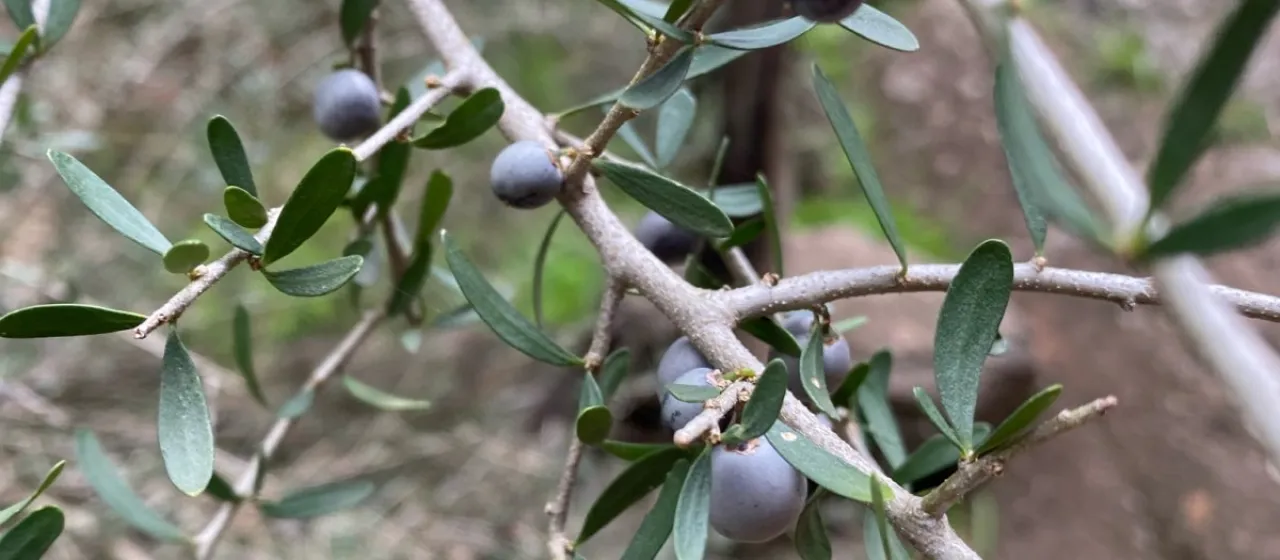
Botanically, the plant is characterized by its narrow, linear foliage and small, often inconspicuous flowers that develop into berries. Its growth habit is naturally slow-growing and compact. These physical traits allow it to withstand harsh wind exposure in its native habitat while maintaining structural integrity.
Cultivation requirements for Melicytus angustifolius focus on soil drainage and site exposure. It thrives in well-aerated, slightly acidic to neutral soil and requires a location with ample sunlight. Proper site management is critical to ensure that the root system remains healthy, as it is sensitive to waterlogged conditions.
The primary use for this species is in specialized horticulture and native botanical collections. Growers should be aware of potential issues such as fungal root diseases and common sap-sucking insects like aphids, which can affect the plant during warmer, less ventilated growing periods.