
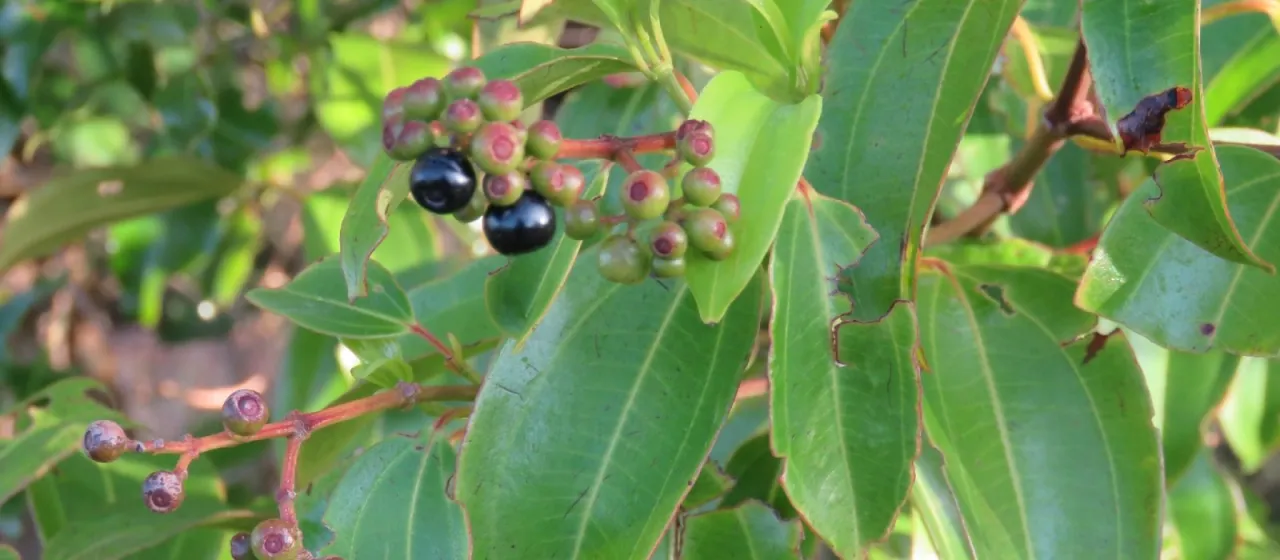
Description
Miconia cinnamomifolia is an evergreen woody plant belonging to the Melastomataceae family. Known for its distinctively veined, leathery leaves that resemble those of the cinnamon tree, it typically grows as a shrub or small tree. Within the context of tropical agriculture, it is recognized as a specialty botanical species often studied for its ecological niche and structural properties in rainforest ecosystems.
Native to the tropical regions of South America, this plant is naturally distributed in humid forest environments. Its cultivation requires mimicking these native conditions, primarily focusing on high humidity and consistent tropical temperatures. While not a large-scale commodity crop, it is of interest in specialized forest nursery programs aimed at conserving biodiversity and reforesting specific tropical habitat zones.
The botanical characteristics of Miconia cinnamomifolia include opposite leaves with acrodromous venation, a hallmark of the Melastomataceae family. The flowers are small, often produced in large panicles, and play a crucial role in local pollination networks. The resulting fruits are small berries that provide sustenance for birds, which subsequently aid in the dispersal of seeds throughout the forest floor.
Successful cultivation depends on strictly adhering to tropical environmental requirements. The plant demands well-draining, nutrient-rich, acidic to neutral soil and must be protected from direct, harsh sunlight. Proper management involves consistent moisture levels; the growing medium should be kept evenly moist but never waterlogged to avoid root rot and secondary pathogen development.
- Light requirements: Partial shade or filtered light.
- Temperature range: 20°C to 30°C.
- Soil type: Humus-rich, loamy, well-draining potting mix.
- Humidity: High (70% or higher).
In terms of хозяйственное (economic) utility, Miconia cinnamomifolia is primarily utilized in biodiversity conservation and botanical horticulture. Regarding pest and disease management, the plant is susceptible to common tropical greenhouse pests like mites and aphids. Fungal infections, specifically leaf spots, can occur if ventilation is poor and humidity levels become excessive, making adequate airflow a prerequisite for healthy plant development.