
Description
Micranthes clusii is a perennial herbaceous plant belonging to the Saxifragaceae family. Formerly classified within the large Saxifraga genus, it is now assigned to the Micranthes genus, which is characterized by specific floral structures and unique seed morphology that distinguish it from its relatives in the broader Saxifrage group.
The native range of this plant is centered in the high-altitude regions of Europe, specifically across the Pyrenees and the Alps. It is a specialist species, naturally occurring in rocky crevices, scree slopes, and moist alpine meadows. Its survival strategy is deeply linked to the harsh, nutrient-poor, yet cool and moist environment of the alpine belt.
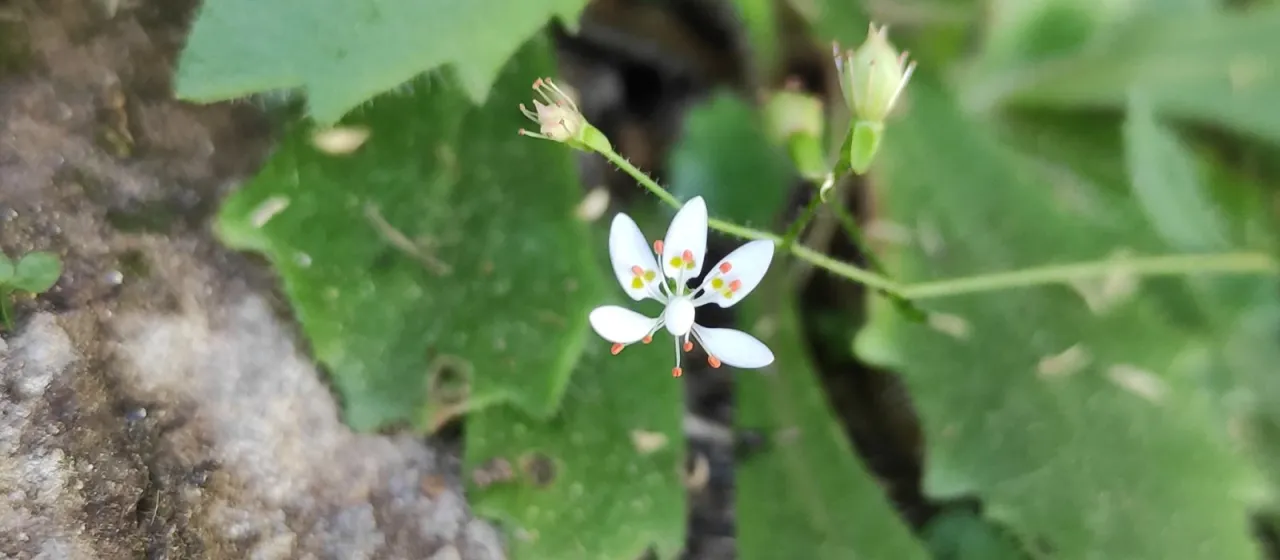
Botanically, the plant forms a compact basal rosette of fleshy leaves, which serve as water storage organs. The upright flowering stems produce paniculate inflorescences of small, white or cream-colored flowers. The root system is relatively shallow, adapted to anchor the plant firmly into rock crevices while absorbing minerals from decomposed stony substrate.
In cultivation, Micranthes clusii requires specific environmental conditions to thrive. Success depends heavily on providing exceptional drainage to prevent root rot. It prefers cool temperatures and partial shade, making it well-suited for high-latitude gardens or specialized rockeries that replicate alpine microclimates with rocky, slightly acidic or neutral soil.
The primary use of this plant is in ornamental horticulture and alpine plant collections. It is not a broad agricultural crop but a highly valued specimen for rock gardens. Typical issues include fungal diseases caused by poor aeration and moisture accumulation around the crown. Common pests include slugs and mites, which may affect the plants during periods of humidity or environmental stress.