
Description
Micranthes merkii is a perennial herbaceous plant belonging to the Saxifragaceae family. Historically classified within the genus Saxifraga, this plant is recognized for its adaptability to harsh environments. As a low-growing species, it typically develops compact rosettes, which serve as an effective mechanism for surviving in high-altitude and tundra habitats where environmental stressors are significant.
The native range of this species covers high-latitude regions, including parts of the Russian Far East, Japan, and North America. It thrives in regions characterized by short growing seasons and cold climates. In its natural environment, Micranthes merkii is commonly found in rocky crevices, gravel slopes, and damp alpine meadows where it benefits from snowmelt water and well-aerated substrates.
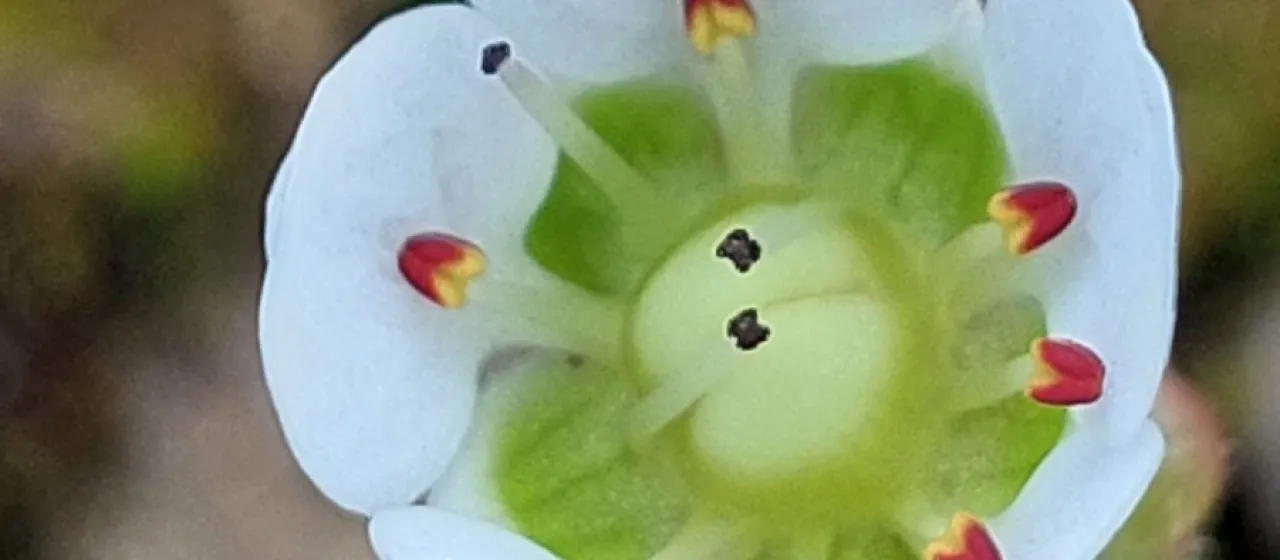
Botanically, the plant is distinguished by its fleshy basal leaves and small, delicate white flowers arranged in paniculate inflorescences. The root system is specifically adapted to secure the plant in narrow rock fissures, allowing it to extract minerals and moisture from minimal soil pockets. This structural evolution makes it a highly specialized plant capable of thriving in nutrient-poor alpine soils.
Regarding agrotechnical requirements, Micranthes merkii demands excellent drainage to prevent root rot. Cultivators should use a mix of mineral-rich soil, coarse sand, and grit to mimic the stony environment. While the plant requires sufficient moisture, it is sensitive to waterlogging, particularly during dormant periods. Providing consistent air circulation is essential to prevent physiological stress and fungal growth.
The primary use of this species is in specialized horticulture, particularly for rock gardens, trough gardens, and alpine collections. It is not a broad agricultural crop but a valuable ornamental plant for specific temperate and sub-arctic climate zones. Common pests include spider mites during periods of low humidity, while fungal diseases are typically managed through proper substrate drainage and avoiding excessive surface irrigation.