
Description
Starry saxifrage (lat. Micranthes stellaris, formerly Saxifraga stellaris) is a perennial herbaceous plant belonging to the Saxifragaceae family. This delicate species is highly regarded in specialized alpine horticulture for its unique aesthetic and specific ecological requirements, making it a prized specimen for collectors of mountain flora.
The native distribution of this plant includes the arctic and alpine regions of Europe and North America. In the wild, it typically thrives in cold, moist environments such as stream banks, rocky seepages, and tundra communities. These origins dictate the plant's preference for stable, cool, and well-drained growing conditions throughout its life cycle.
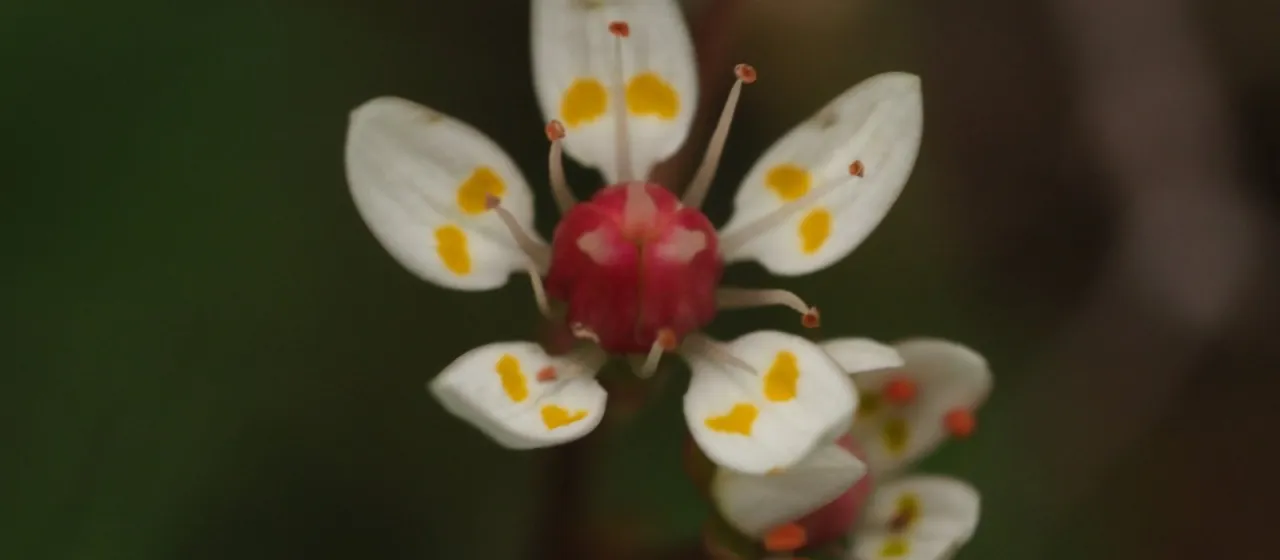
Botanically, Micranthes stellaris forms compact rosettes of fleshy, serrated leaves. During the blooming season, it produces slender stalks adorned with delicate, star-shaped white flowers characterized by distinct yellow or reddish basal markings. The plant has a relatively shallow root system, which necessitates careful soil management to prevent drying out or heat stress.
Agrotechnical requirements focus on maintaining constant soil moisture and cool temperatures. In a garden setting, the plant prefers semi-shaded areas with consistent humidity, often replicating the microclimate of a rocky stream bank. Using a well-draining, acidic substrate composed of grit, sand, and organic matter is crucial for successful cultivation and preventing root rot.
The primary use of Starry saxifrage is ornamental, particularly in rock gardens, scree beds, or water-side plantings. The species can be susceptible to fungal diseases if kept in stagnant, humid conditions, and it is also known to be a target for slugs and snails. Regular monitoring and providing optimal air circulation are essential components of maintaining the health of this alpine plant.