
Description
Micromeria douglasii, commonly known as Yerba Buena, is a perennial herbaceous plant belonging to the Lamiaceae family. It is highly valued for its intense, mint-like fragrance, which has made it a popular choice for herb gardens and culinary applications throughout its native range in North America.
The plant originates from the western regions of the United States and Canada, typically found in shaded woodland environments. It thrives in temperate climates with moderate rainfall and cool, moist soil, which is critical for its survival and proliferation in a domestic or agricultural setting.
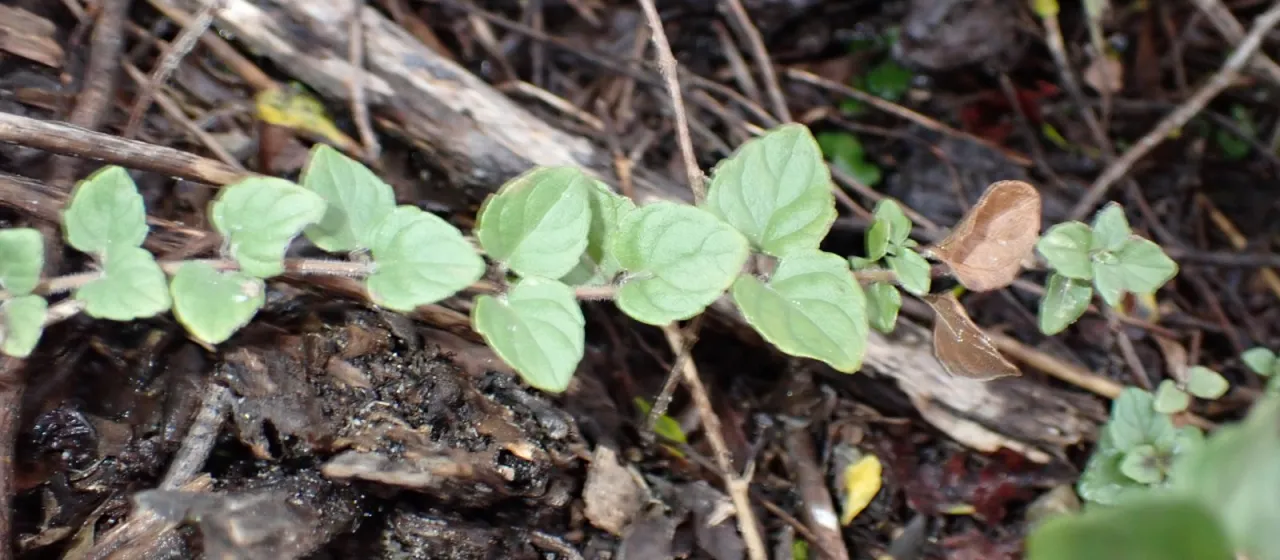
Botanically, it is characterized by creeping stems that spread along the ground, allowing it to function as an effective ground cover. The leaves are small, serrated, and rich in volatile oils, providing the characteristic scent. Small, delicate, white or pale-purple flowers bloom throughout the growing season, enhancing its aesthetic appeal.
Agricultural success depends on providing well-drained, humus-rich soil and a partially shaded location. Irrigation should be consistent to maintain soil moisture without creating waterlogged conditions, which promote root diseases. It is relatively low-maintenance once established, though pruning helps keep the plant dense and encourages more vigorous foliage growth.
The primary uses for this culture include tea production, flavoring for culinary dishes, and use as an aromatic ground cover in garden design. While relatively hardy, growers should be wary of common pests like aphids and spider mites, and diseases like root rot that can occur if air circulation is insufficient or drainage is poor.
- Thrives in filtered light conditions.
- Requires consistent moisture during peak growth.
- Sensitive to extreme drought and direct, intense heat.
- Propagation is most effective through stem cuttings or division.