
Description
Micromeria filiformis is a perennial herbaceous plant belonging to the Lamiaceae family. Often valued for its aromatic qualities, it is closely related to species like savory and thyme. In agriculture, it is recognized as a niche essential oil crop capable of thriving in marginal conditions where conventional crops might fail.
The plant originates from the Mediterranean region, typically found in limestone areas, rocky crevices, and sunny, dry slopes. Its native range has shaped its resilience to extreme environmental stressors, such as high temperatures and seasonal drought. This evolutionary background makes it an ideal candidate for low-input farming systems in Mediterranean-type climates.
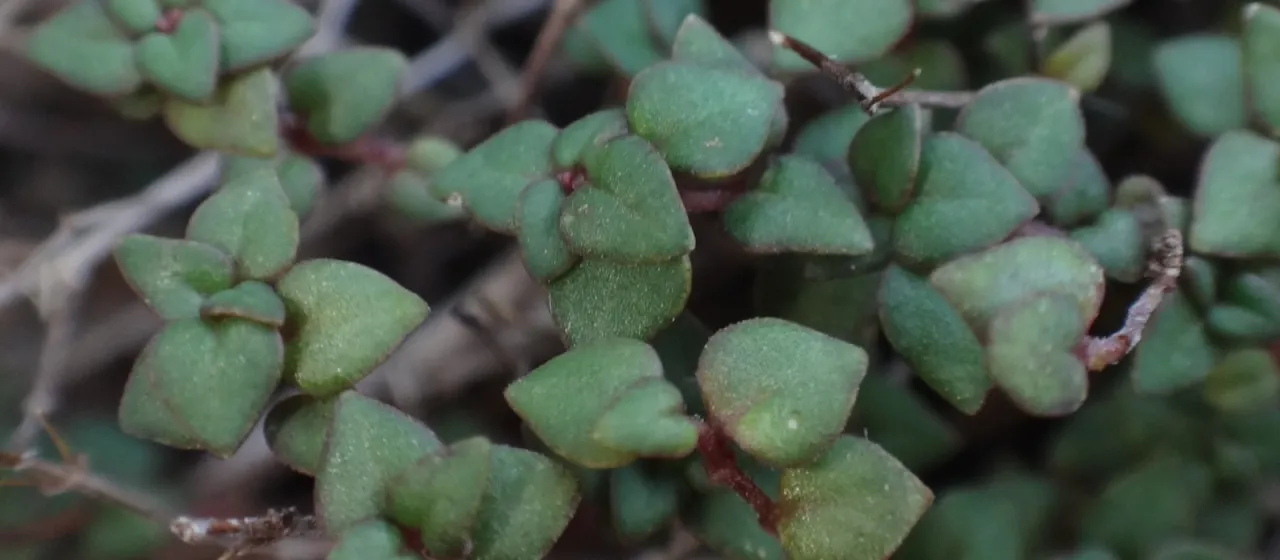
Botanically, the species is characterized by its slender, filiform stems that give the plant its specific name. The leaves are small, often gland-dotted, containing volatile compounds responsible for its signature scent. The root system is relatively shallow but highly efficient at absorbing nutrients from rocky substrates, supporting the plant's survival in nutrient-poor environments.
Agronomic management requires specific attention to soil texture and drainage. Micromeria filiformis thrives in sandy, stony, or gravelly soils with good aeration. It is intolerant of waterlogging, which often leads to root rot. Successful cultivation involves selecting sunny plots and providing minimal irrigation only during the establishment phase, as the plant becomes remarkably drought-tolerant once mature.
The commercial utility of this plant is diverse, spanning from pharmaceutical extracts to specialty culinary uses. Its volatile oils possess antiseptic, antioxidant, and anti-inflammatory properties, attracting interest from natural medicine producers. As a crop, it exhibits high resistance to many common fungal diseases, provided that planting density and soil moisture are strictly controlled to prevent micro-climatic humidity buildup.
- Excellent adaptation to rocky and arid soils.
- Strong preference for full sun exposure.
- Minimal fertilizer requirements to preserve oil quality.
- High natural resistance to many common pests.
- Versatile use in aromatherapy and herbal medicine.